
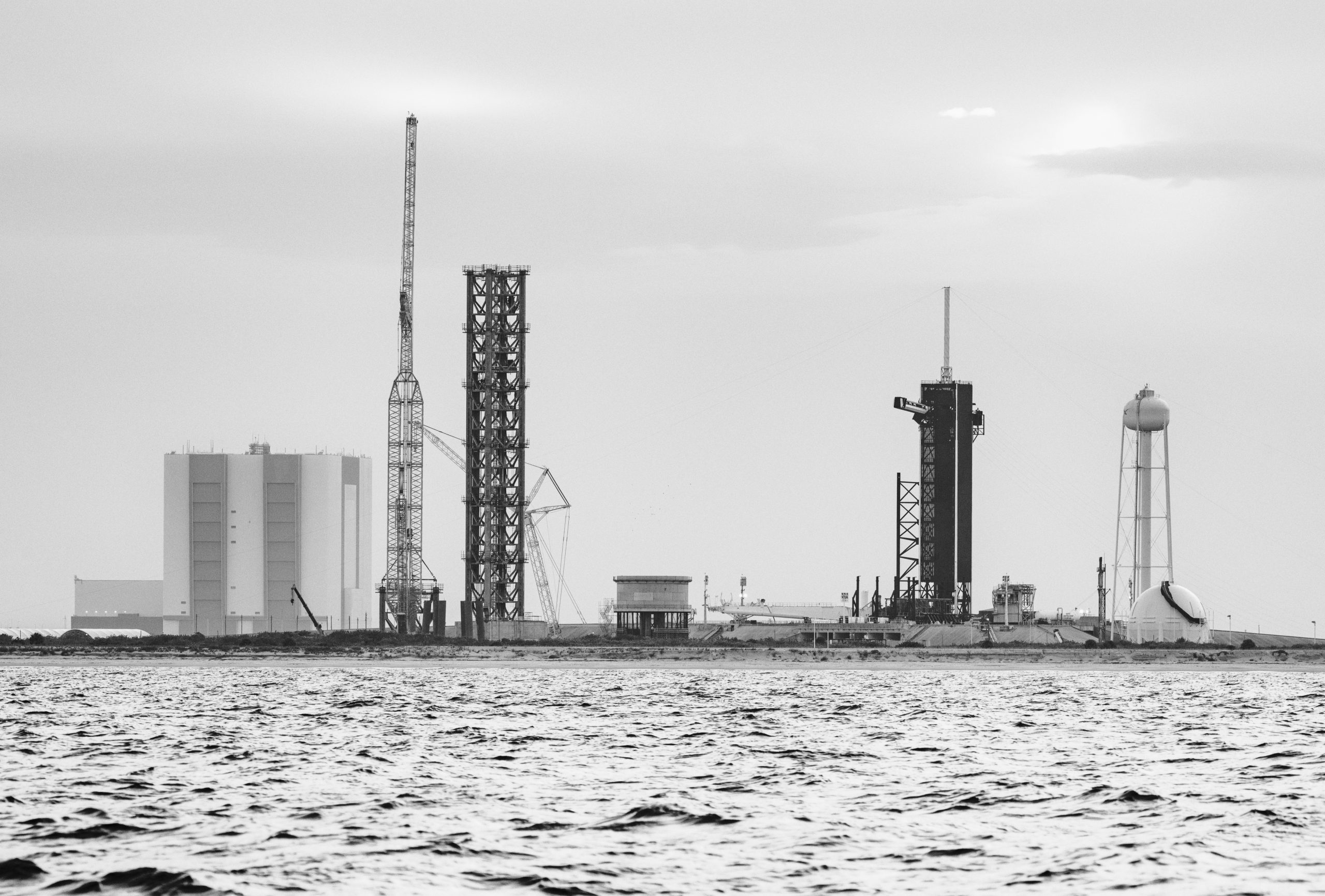
SpaceX Starship launch has achieved a remarkable milestone by reaching orbit and returning safely to Earth. This event showcases the advancements in space travel technology and SpaceX’s commitment to innovation.
Overview of SpaceX Starship
The recent SpaceX Starship launch marked a significant milestone in the company’s ambitious plans for space exploration. This mission successfully achieved its primary goal of reaching orbit and demonstrated the capabilities of the Starship system.
Launched from SpaceX’s facility in Texas, the Starship completed a series of maneuvers that showcased its advanced engineering. The vehicle ascended into space, orbited the Earth, and ultimately executed a controlled descent.
Key features of the mission included:
- First Orbital Flight: The Starship became the first fully integrated spacecraft to reach orbit and return safely.
- Water Landing: The spacecraft demonstrated its ability to perform a water landing, a crucial aspect for future deep-space missions.
- Data Collection: Valuable data was gathered during the flight, which will inform future iterations of the Starship design.
This successful launch not only highlights SpaceX’s engineering prowess but also sets the stage for future missions to the Moon and Mars. As plans continue to evolve, the SpaceX Starship launch paves the way for a new era of interplanetary travel.
Details of the Water Landing
The recent SpaceX Starship launch marked a significant milestone in the company’s ambitious space exploration agenda. As the spacecraft returned to Earth, the water landing was executed with remarkable precision and planning.
During the mission, the Starship traveled at high velocities before initiating its descent. The landing site was strategically chosen to ensure safety and accessibility for recovery teams. Key aspects of the water landing included:
- Controlled Descent: The spacecraft utilized its Raptor engines to slow down effectively as it approached the ocean’s surface.
- Recovery Operations: SpaceX deployed ships to the designated landing zone, prepared to retrieve the Starship after it splashed down.
- Telemetry Data: Engineers collected valuable data throughout the landing process, which will inform future missions.
The success of the water landing demonstrates the feasibility of reusing spacecraft components, which is a core principle of SpaceX’s design philosophy. This accomplishment not only showcases the technological advancements of the Starship program but also sets the stage for upcoming missions that will push the boundaries of space travel.
Significance of the Successful Launch
The recent SpaceX Starship launch marks a pivotal moment in the evolution of space exploration and commercial travel. This successful launch not only showcases SpaceX’s engineering prowess but also paves the way for future missions beyond Earth.
One of the primary significances of this launch lies in its demonstration of reusable spacecraft technology. The ability to return to Earth safely, as evidenced by the water landing, highlights advancements in sustainability and cost-effectiveness for space missions. This could potentially lower the barrier to entry for future space endeavors, opening the door for more frequent and economically viable launches.
Moreover, the success of the Starship mission contributes to NASA’s Artemis program, aiming to return humans to the Moon and eventually send astronauts to Mars. SpaceX’s achievements serve as a crucial asset in fostering international collaboration and stimulating interest in space exploration among younger generations.
As we look to the future, the implications of the SpaceX Starship launch extend beyond immediate technological advancements. It symbolizes humanity’s relentless quest for knowledge and exploration, urging us to look towards the stars with renewed hope and ambition.
Future Missions for SpaceX Starship
Looking ahead, the future missions for SpaceX Starship are poised to expand the boundaries of space exploration. With the recent successful launch, the company aims to achieve several ambitious goals in the coming years.
- Moon Missions: SpaceX plans to deploy Starship for NASA’s Artemis program, aiming to return humans to the Moon by the mid-2020s.
- Mars Colonization: Elon Musk has set a long-term vision of using Starship to facilitate human settlement on Mars, with test flights expected to begin soon.
- Satellite Deployment: The rocket will also be utilized for launching satellites, enhancing global internet coverage through the Starlink program.
- Space Tourism: SpaceX is exploring opportunities for commercial space travel, allowing civilians to experience orbital flights.
Each of these missions will build upon the success of the recent SpaceX Starship launch, highlighting the vehicle’s capability and reliability. With ongoing developments and tests, the future of interplanetary travel looks increasingly promising, setting the stage for unprecedented advancements in space technology.
By Charles Boyer via Openverse