
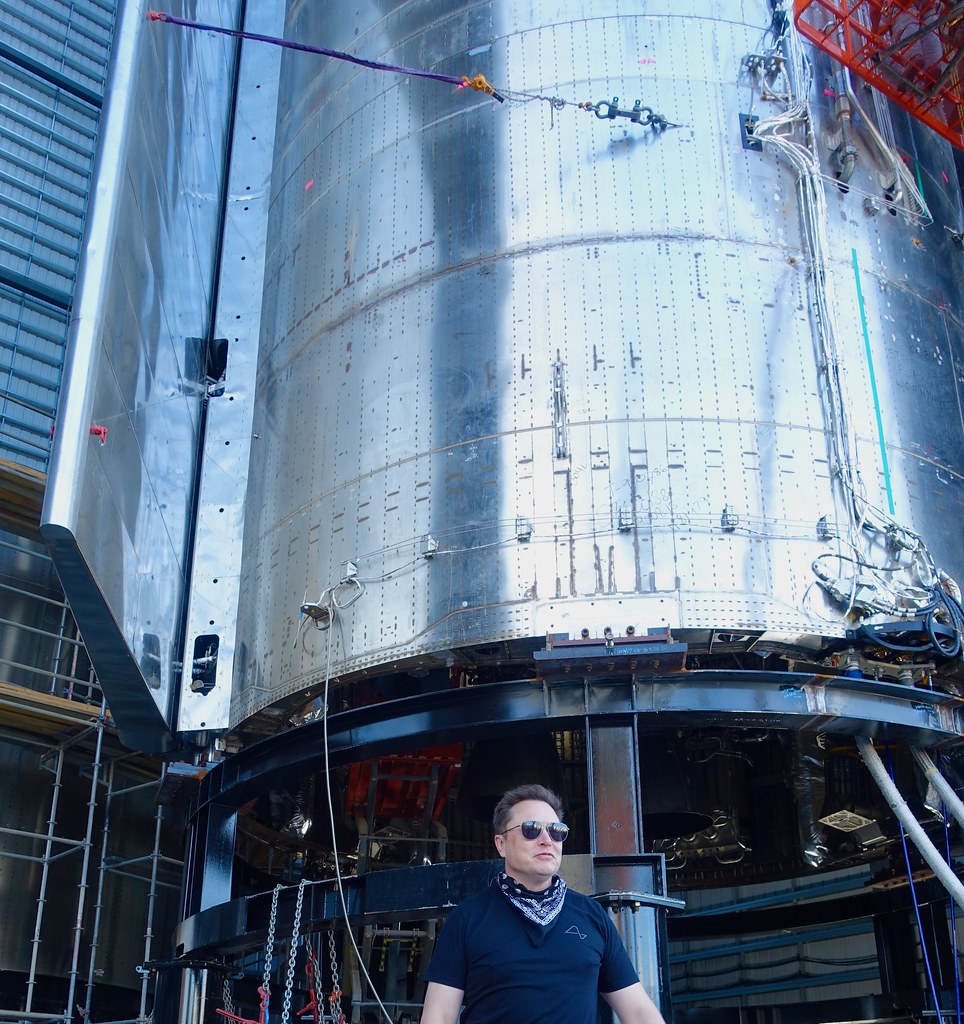
SpaceX Starship flight test has successfully splashed down after its first orbital flight. This achievement highlights SpaceX’s advancements in space technology and exploration.
Overview of SpaceX’s Starship
SpaceX’s Starship represents a significant advancement in space exploration technology, designed for missions to Mars and beyond. This next-generation spacecraft aims to carry both crew and cargo, presenting an opportunity for deep space travel that has previously been unattainable.
The recent SpaceX Starship flight test marks a pivotal moment for the company and the future of interplanetary travel. During its first orbital flight, Starship showcased its capabilities, successfully demonstrating key technologies necessary for long-duration space missions.
Key features of the Starship include:
- Reusable Design: The spacecraft is built to be reused, significantly reducing the cost of access to space.
- Large Payload Capacity: Starship can carry up to 100 metric tons of cargo, facilitating extensive missions.
- Life Support Systems: Advanced systems are in place to support human life during long voyages.
- Versatility: The craft can be utilized for various missions, including satellite deployment and crewed explorations.
Following its successful splashdown, the flight test has reinforced confidence in SpaceX’s vision for the future of space travel. With ongoing advancements, the Starship program is poised to revolutionize how humanity engages with the cosmos.
Details of the first orbital flight test
The highly anticipated SpaceX Starship flight test marked a significant milestone in the company’s quest for interplanetary travel. This inaugural orbital flight, which took place on October 10, 2023, was a culmination of years of development and testing.
During the flight, the Starship spacecraft was launched from SpaceX’s facility in Boca Chica, Texas, and successfully completed a series of critical maneuvers. The vehicle reached an altitude of approximately 120 miles before executing a series of complex orbital maneuvers.
Key details of the flight included:
- Launch Sequence: The Starship lifted off at 9:00 AM CDT, powered by its Raptor engines.
- Orbital Phase: After reaching its peak altitude, the spacecraft entered a stable orbit, demonstrating its capabilities for future missions.
- Re-entry and Splashdown: The vehicle successfully re-entered the Earth’s atmosphere and splashed down in the Pacific Ocean, marking the end of its test flight.
The success of this flight test not only validates SpaceX’s engineering prowess but also sets a precedent for future missions, including potential crewed flights to the Moon and Mars. The data collected during the flight will be invaluable for refining the Starship design and ensuring the safety of future missions.
Significance of the successful splashdown
The successful splashdown of SpaceX’s Starship following its first orbital flight test marks a crucial milestone in the company’s ambitious space exploration plans. This achievement not only demonstrates the vehicle’s capability to complete a full mission cycle but also highlights the safety measures that have been integrated into its design.
The significance of the successful splashdown can be observed in several key areas:
- Advancement in Technology: The flight test showcased the advancements in reusable rocket technology, reinforcing SpaceX’s commitment to making space travel more cost-effective and sustainable.
- Public Confidence: A successful mission enhances public confidence in SpaceX as a leader in the aerospace industry, encouraging support for future projects and missions.
- Regulatory Approval: Demonstrating the safety and reliability of the Starship vehicle is crucial for obtaining regulatory approvals for subsequent missions, including potential crewed flights.
- International Partnerships: This achievement opens the door for potential collaborations with other space agencies and commercial partners, fostering innovation and shared goals in space exploration.
In summary, the success of the SpaceX Starship flight test, culminating in a safe splashdown, paves the way for future advancements in space travel, showcasing the potential for interplanetary missions and the establishment of a sustainable human presence beyond Earth.
Future missions for SpaceX Starship
The recent success of the SpaceX Starship flight test opens up a range of possibilities for future missions. With the first orbital flight test completed successfully, SpaceX is now poised to leverage this achievement for both commercial and exploratory ventures.
SpaceX has outlined several ambitious plans for the Starship, which include:
- Crewed missions to the Moon: Following NASA’s Artemis program, SpaceX aims to utilize Starship for transporting astronauts to the lunar surface, facilitating research and exploration beyond Earth’s orbit.
- Interplanetary travel: One of the primary goals of the Starship program is to enable human exploration of Mars. With the successful flight test, SpaceX is one step closer to making this vision a reality.
- Satellite deployment: The Starship can also be adapted for deploying large constellations of satellites, enhancing global communication and observation capabilities.
- Space tourism: With the potential for high-capacity travel, SpaceX is exploring opportunities in the space tourism market, allowing private citizens to experience space travel.
Overall, the successful SpaceX Starship flight test not only demonstrates the vehicle’s capabilities but also signifies a new era in space exploration and commercial activity. As SpaceX continues to innovate, the future appears bright for interstellar endeavors.
The recent SpaceX Starship flight test has demonstrated significant advancements in rocket technology. With this successful and safe launch, the future of interplanetary travel appears more promising than ever.
By jurvetson via Openverse