
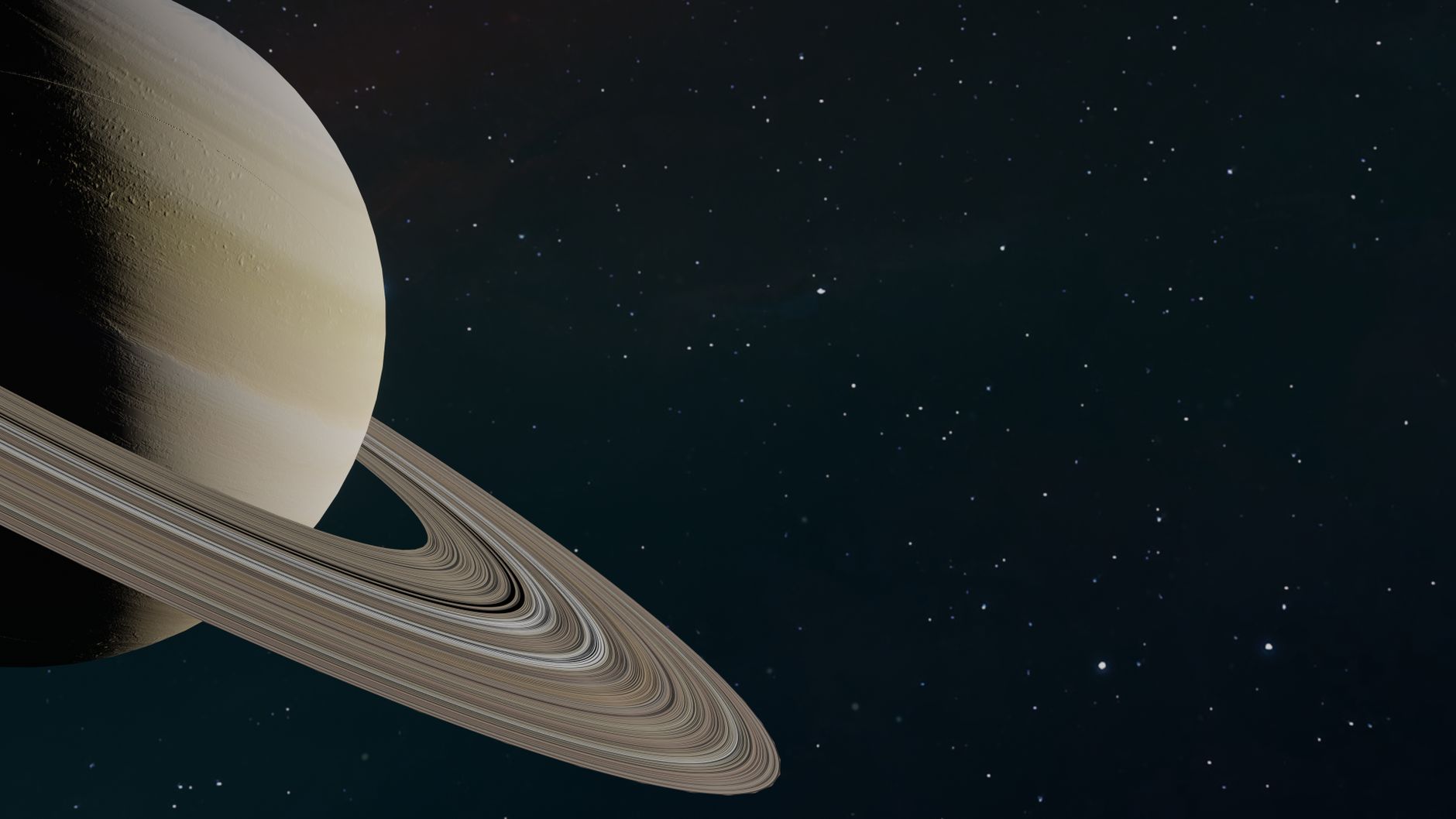
Superhabitable exoplanets are often considered the ideal worlds for life. However, recent findings suggest that the Technological Zone is closer to stars than these elusive planets, challenging our understanding of habitability in the universe.
Understanding Superhabitable Exoplanets
Superhabitable exoplanets are a fascinating concept that extends beyond our traditional understanding of habitable worlds. These are planets that may support life in ways that surpass Earth’s capabilities. Researchers theorize that such planets could possess conditions that enhance biological diversity and longevity. This includes factors like a more stable climate, abundant resources, and geological activity that fosters life.
In contrast to merely habitable zones, superhabitable exoplanets would ideally feature:
- Optimal Atmospheric Conditions: A thicker atmosphere could provide better protection from radiation.
- Diverse Ecosystems: An environment rich in minerals and nutrients would support a wide variety of life forms.
- Stable Geological Activity: Continuous geological processes may create diverse habitats over time.
Despite the allure of these hypothetical worlds, they remain exceptionally rare. The search for superhabitable exoplanets poses significant challenges, as our current methods are primarily geared toward identifying planets similar to Earth.
The Technological Zone Explained
The concept of the Technological Zone provides insight into the potential locations where advanced civilizations could thrive. Unlike the parameters that define superhabitable exoplanets, which prioritize conditions conducive to life, the Technological Zone emphasizes factors that support intelligent life and advanced technology.
Typically, the Technological Zone is situated closer to a star than the regions that may host superhabitable exoplanets. This closer proximity allows for a stable energy supply, essential for the development of technology. Key characteristics of this zone include:
- Stable Climate: A consistent climate that fosters the growth of complex life forms.
- Access to Resources: Rich mineral deposits and elements necessary for technological advancement.
- Radiation Levels: Optimal radiation levels that prevent detrimental effects on life while still aiding in technological development.
While superhabitable exoplanets may offer more diverse environments, the Technological Zone highlights the importance of location and resources for the emergence of advanced life forms. Understanding these distinctions is crucial in the search for extraterrestrial intelligence.
Why Superhabitable Planets Are Rare
Superhabitable exoplanets are intriguing possibilities in the search for life beyond Earth, yet their rarity poses significant questions for scientists. One primary reason for this scarcity lies in the specific conditions that define a superhabitable environment.
These planets would need to possess:
- Optimal Distance: A location within the habitable zone, but potentially closer to their stars than Earth, allowing for a more stable climate.
- Geological Diversity: Varied terrain and resources that support complex ecosystems, enhancing biodiversity.
- Stable Atmosphere: An atmosphere rich in essential gases, promoting a balanced climate over extended periods.
- Longer Geological Lifespan: A planet that can maintain habitable conditions for a longer duration than Earth, allowing life more time to evolve.
These factors create a delicate balance, making the search for superhabitable exoplanets particularly challenging. While the universe is vast, the specific criteria for superhabitable worlds significantly limit the number of candidates in our ongoing exploration.
Recent Discoveries in Exoplanet Research
Recent studies in exoplanet research have brought to light intriguing findings that challenge our understanding of planetary habitability. While the search for superhabitable exoplanets continues, scientists have made significant strides in identifying potential candidates that may possess characteristics conducive to life. These advancements stem from enhanced detection methods and the deployment of advanced telescopes capable of observing distant celestial bodies.
One prominent study highlighted the potential of planets located in the “Technological Zone,” which is closer to their stars than previously considered optimally habitable zones. This zone may offer conditions that could support advanced life forms, possibly leading to the discovery of superhabitable exoplanets.
Researchers are now focusing on several key factors that contribute to planetary habitability, including:
- Stable climates that promote biodiversity
- Geological activity that recycles nutrients
- Magnetic fields that protect from cosmic radiation
As exploration continues, the quest for superhabitable exoplanets remains one of the most captivating aspects of modern astronomy.
Comparing Habitability Factors
When evaluating the potential for life beyond Earth, scientists consider several habitability factors that play a crucial role in the existence of superhabitable exoplanets. These factors include:
- Temperature Range: A stable and moderate temperature is essential for sustaining life. Superhabitable exoplanets may possess climates that remain temperate without extreme fluctuations.
- Atmospheric Composition: The presence of a diverse and stable atmosphere can support complex ecosystems. Superhabitable environments may have ideal mixtures of gases, promoting the development of life.
- Geological Activity: A planet’s geological processes can influence habitability. For superhabitable exoplanets, moderate geological activity could provide essential minerals and nutrients to support life.
- Water Availability: Liquid water is fundamental for life as we know it. Superhabitable exoplanets likely have abundant water sources, enabling various forms of life to thrive.
In summary, while the concept of superhabitable exoplanets is intriguing, understanding the multifaceted habitability factors helps clarify why these planets are so rare in our universe.
Future of Space Exploration
The future of space exploration holds exciting possibilities as scientists and astronomers continue to investigate the concept of superhabitable exoplanets. As technology advances, the tools available for discovering and studying distant worlds are becoming more sophisticated. This progression allows researchers not only to find new exoplanets but also to evaluate their potential for supporting life.
Key areas of focus in upcoming missions include:
- Developing advanced telescopes that can detect smaller, Earth-like exoplanets in the habitable zones of stars.
- Utilizing spectroscopy to analyze the atmospheres of these distant planets for signs of habitability.
- Investing in robotic missions that could one day explore the surfaces of promising exoplanets.
As our understanding of planetary environments expands, the search for superhabitable exoplanets will gain momentum. This pursuit could reshape our knowledge of what makes a planet suitable for life, pushing scientific boundaries and potentially leading to groundbreaking discoveries.
Photo by Zelch Csaba on Pexels
Sources
Medium · Superhabitable Exoplanet
Related stories
NVIDIA Rubin GPUs: Are They the Best Choice for Gamers? · Mari 8.0 Release: The Best Proven Features You Need · One UI 9 rollout is the Best Proven Timeline for Updates