
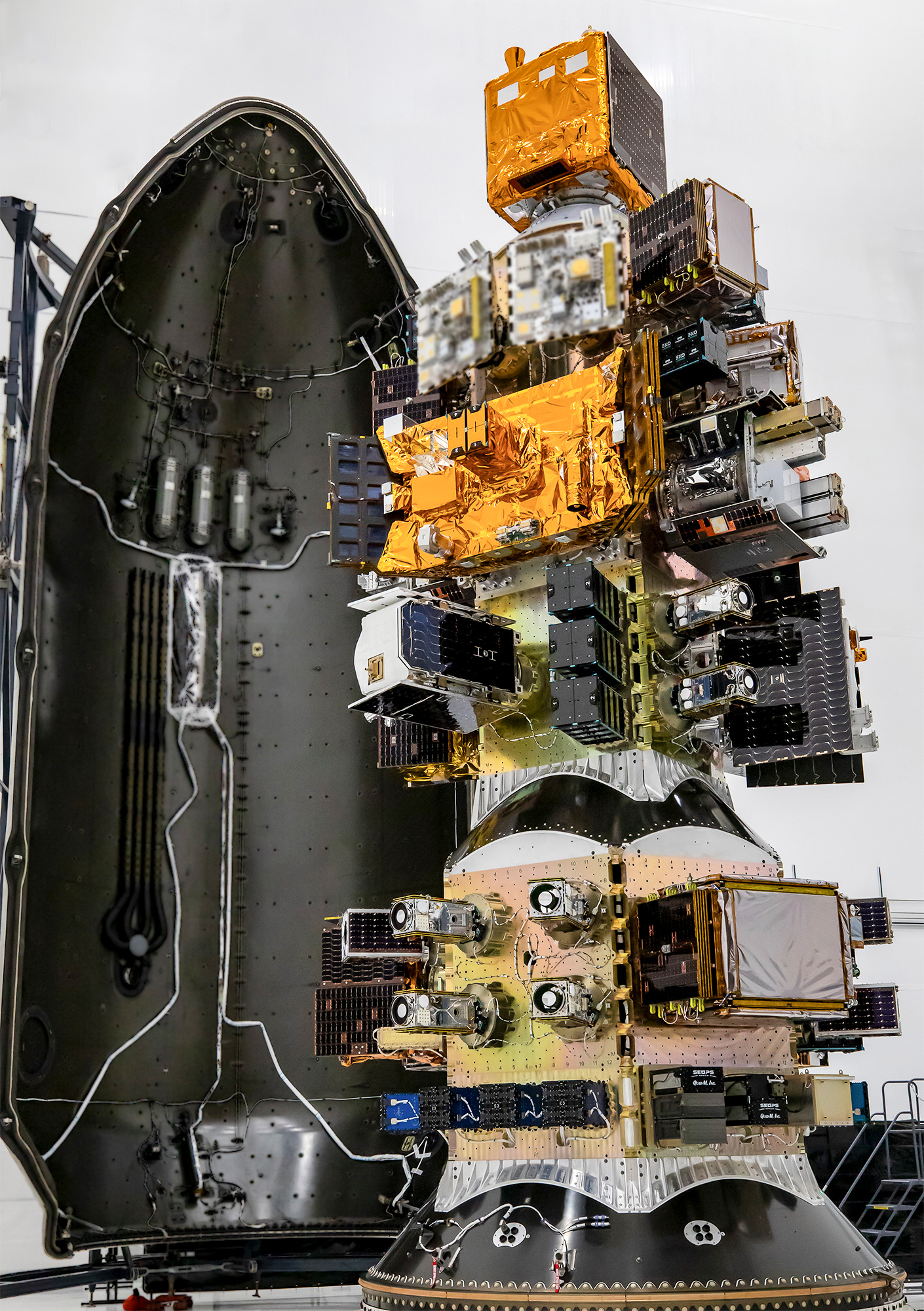
SpaceX Transporter-18 has marked significant mission milestones that highlight its capabilities in the rideshare launch sector. This launch demonstrates SpaceX’s commitment to advancing space technology.
Overview of SpaceX Transporter-18
SpaceX’s Transporter-18 mission has made significant strides in the realm of commercial spaceflight. Launched on July 12, 2023, this rideshare mission carried a diverse array of satellites into orbit, showcasing the capabilities of SpaceX’s Falcon 9 rocket.
One of the standout features of Transporter-18 is the number of payloads it successfully deployed. The mission placed over 150 small satellites into low Earth orbit, demonstrating the increasing demand for satellite services in various sectors.
Among the key milestones achieved during the Transporter-18 mission are:
- Rapid Deployment: The Falcon 9 rocket executed a flawless launch and deployment sequence, highlighting SpaceX’s commitment to efficiency.
- Increased Payload Capacity: This mission set a new record for the number of satellites launched in a single mission by SpaceX, showcasing their advanced technology.
- International Collaboration: Transporter-18 included payloads from multiple countries, fostering global partnerships in space exploration.
- Sustainability Efforts: The utilization of reusable rockets continues to be a cornerstone of SpaceX’s strategy, minimizing the environmental impact of launches.
Overall, SpaceX Transporter-18 exemplifies the innovative spirit of the company, paving the way for future missions and advancements in the space industry.
Key Milestones Achieved
SpaceX Transporter-18 has marked several significant milestones since its launch, showcasing the company’s continued innovation in the realm of space exploration. Below are some of the key achievements that highlight the mission’s success:
- Successful Launch: The Transporter-18 mission lifted off on schedule, demonstrating SpaceX’s reliability and efficiency in fulfilling launch commitments.
- Diverse Payload Deployment: The mission successfully deployed over 150 satellites, including those from various sectors such as communications, Earth observation, and technology demonstration, illustrating the versatility of the Transporter program.
- Record Payload Capacity: SpaceX Transporter-18 set a new record for payload capacity, carrying a maximum number of satellites in a single launch, which enhances its role in the burgeoning small satellite market.
- International Collaboration: The mission involved partnerships with multiple countries, showcasing SpaceX’s ability to facilitate international cooperation in space research and exploration.
- Cost Efficiency: By utilizing the rideshare model, SpaceX Transporter-18 has significantly reduced launch costs for smaller satellite operators, making space more accessible.
These milestones not only reflect the technical capabilities of SpaceX but also set a precedent for future missions, further solidifying its position in the aerospace industry.
Impact on Rideshare Launches
The SpaceX Transporter-18 mission has significantly impacted the landscape of rideshare launches, showcasing the growing importance of such missions in the space industry. Rideshare launches allow multiple small satellites to be sent into orbit simultaneously, providing a cost-effective solution for various companies and institutions.
One of the most notable effects of the Transporter-18 mission is the increase in accessibility for smaller satellite operators. By lowering launch costs and providing flexible scheduling, SpaceX has opened doors for numerous organizations that previously faced financial or logistical challenges. The success of Transporter-18 has demonstrated that small satellites can share the same launch vehicle as larger payloads, thus optimizing resources and streamlining the launch process.
Furthermore, Transporter-18 has fostered innovation among satellite developers. With a growing number of available launch slots, companies are encouraged to experiment with new technologies and designs, which can lead to advancements in satellite capabilities. This competitive environment not only accelerates the development of smaller, more efficient satellites but also enhances the overall quality of services offered.
In summary, the impact of SpaceX Transporter-18 on rideshare launches is profound. It has not only made space more accessible for smaller players but has also sparked innovation and collaboration within the burgeoning satellite industry.
Innovations in Space Technology
The SpaceX Transporter-18 mission has marked significant innovations in space technology, showcasing the advancements that are redefining how we approach satellite deployment and space exploration.
One of the most remarkable innovations is the enhanced payload capacity that the Transporter-18 offers. By utilizing a more efficient rocket design, SpaceX has managed to increase the number of satellites that can be launched in a single mission. This capability not only reduces costs for satellite operators but also paves the way for more frequent launches.
Another notable achievement is the integration of advanced tracking and telemetry systems. These systems allow for real-time monitoring of satellite performance and orbital positions, giving operators greater control and efficiency. The enhanced data collection helps in refining future missions and improving satellite technology.
Moreover, the Transporter-18 mission has demonstrated the effectiveness of reusable rocket technology. By successfully landing the first stage of the Falcon 9 rocket, SpaceX continues to push the envelope in sustainability and cost efficiency in the aerospace industry.
These innovations reflect a broader trend in space technology, where the focus is shifting towards maximizing resources and minimizing waste. As the industry evolves, missions like SpaceX Transporter-18 are crucial in setting benchmarks for future endeavors.
Future of SpaceX Missions
The future of SpaceX missions is poised for significant advancements, particularly following the success of the SpaceX Transporter-18 mission. As the company continues to refine its launches and expand its capabilities, several exciting developments are on the horizon.
One of the key focuses for SpaceX will be the enhancement of its rideshare program. With the achievements of Transporter-18, the company has demonstrated its ability to efficiently deploy a wide variety of payloads for numerous clients at once. This model not only reduces costs but also increases accessibility for smaller companies and emerging space agencies.
In addition to rideshare efficiency, SpaceX aims to push the boundaries of innovation in launch technology. The incorporation of reusable rocket stages has already transformed the economics of space travel, and future missions will likely see further improvements in reusability and turnaround times.
Moreover, as SpaceX continues to expand its Starlink satellite constellation, the demand for multiple launches will enhance the relevance of missions like Transporter-18. As more satellites are deployed, the synergy between commercial and scientific missions will grow, fostering collaboration across various sectors.
Overall, the trajectory of SpaceX missions promises a future filled with groundbreaking achievements, driven by the lessons learned from successes like Transporter-18.
Challenges Faced During Launch
The launch of SpaceX Transporter-18 was not without its challenges, as the mission faced several hurdles that tested the resilience and ingenuity of the SpaceX team. Each of these obstacles provided valuable lessons that will inform future missions.
- Weather Conditions: Unfavorable weather patterns threatened to postpone the launch. Heavy winds and cloud cover created uncertainty, prompting the team to conduct thorough assessments to ensure a safe liftoff.
- Technical Glitches: In the days leading up to the launch, minor technical issues emerged during pre-launch checks. Engineers worked around the clock to troubleshoot and resolve these problems, showcasing the team’s commitment to reliability.
- Logistical Coordination: Coordinating the transport and integration of numerous payloads posed a significant challenge. With over 100 satellites on board, ensuring that each one was securely placed and ready for deployment required meticulous planning and execution.
- Regulatory Approvals: Navigating the complex landscape of regulatory approvals added another layer of complexity. SpaceX had to work closely with various agencies to secure the necessary permissions, ensuring compliance with safety and environmental standards.
Despite these challenges, SpaceX Transporter-18 successfully launched, demonstrating the company’s ability to overcome obstacles while advancing the future of space exploration and rideshare missions.
Expert Opinions on Transporter-18
Experts in the aerospace industry have shared their thoughts on the significance of the SpaceX Transporter-18 mission, highlighting its role in shaping the future of rideshare launches. Many have pointed out that this mission represents a pivotal moment for small satellite deployment.
According to Dr. Emily Carter, an aerospace analyst, “SpaceX Transporter-18 has not only expanded the reach of smaller companies but has also democratized access to space.” She emphasizes that the efficiency of the rideshare model allows numerous satellites to be launched simultaneously, significantly reducing costs.
Another expert, Dr. Michael Chen, a satellite technology researcher, noted, “The innovations seen in Transporter-18, particularly in payload integration, set a new standard for future missions.” He referenced the advanced tracking systems employed during the launch, which enhance mission reliability and safety.
Industry experts also praised SpaceX’s continued efforts to streamline operations. “By perfecting their launch cadence and improving turnaround times, SpaceX is making space more accessible for a variety of organizations,” said Dr. Sarah Lopez, a space policy advisor.
In conclusion, the expert consensus is clear: the milestones achieved through SpaceX Transporter-18 are not just impressive accomplishments but also foundational steps towards a more interconnected and innovative space economy.
By SpaceX via Openverse