
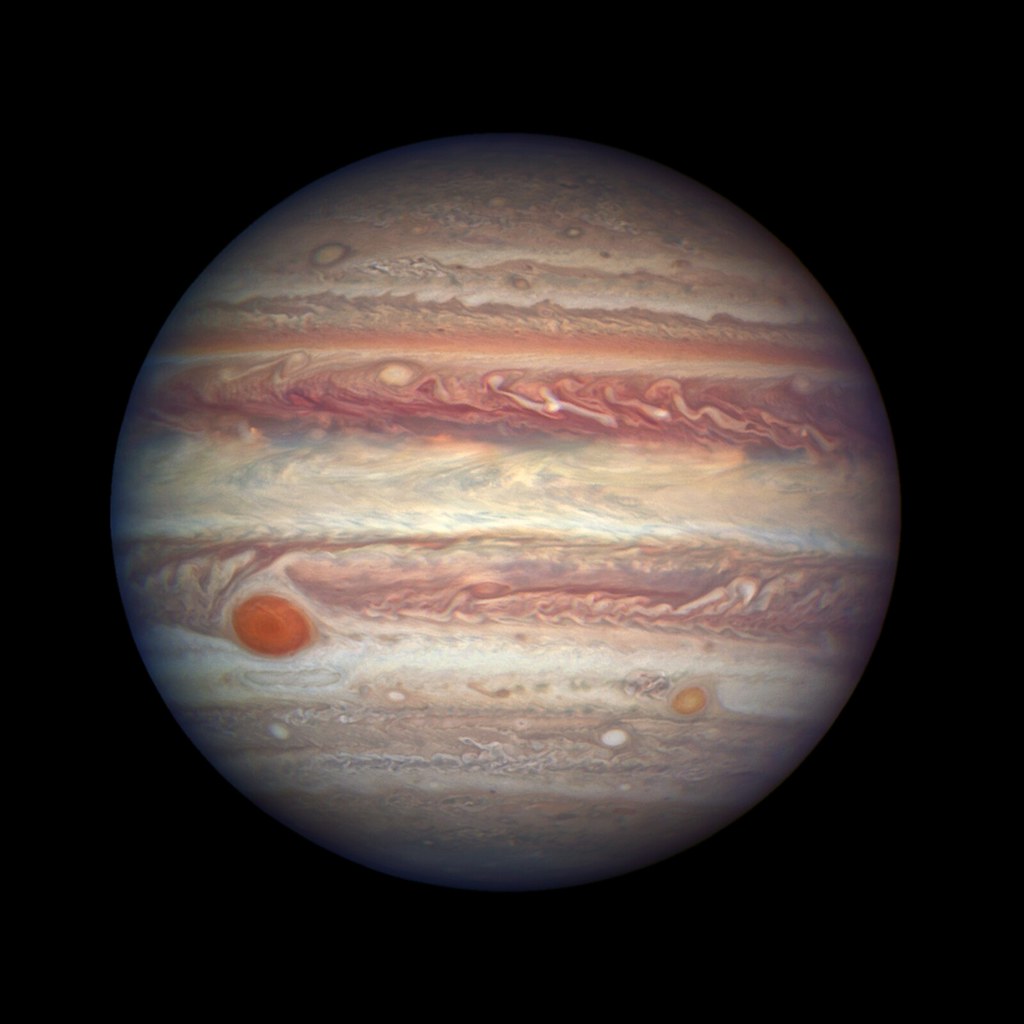
NASA Roman Space Telescope has achieved a significant milestone with its successful launch, as celebrated by Genesis Engineering Solutions. This event marks an exciting advancement in space technology.
Overview of NASA Roman Space Telescope
The NASA Roman Space Telescope is a groundbreaking project that aims to enhance our understanding of the universe. This innovative telescope is designed to capture stunning wide-field images, allowing astronomers to explore the cosmos in unprecedented detail.
Equipped with advanced technology, the Roman Space Telescope features a large mirror and a wide field of view, making it capable of observing millions of galaxies in a single shot. Its capabilities include:
- Wide-Field Imaging: The telescope can survey large areas of the sky, providing valuable data on cosmic phenomena.
- Gravitational Lensing Studies: By observing how light from distant objects is bent by massive structures, scientists can gain insights into dark matter and dark energy.
- Exoplanet Research: The Roman Space Telescope will assist in the search for planets outside our solar system, contributing to our understanding of planetary systems.
The successful launch of the NASA Roman Space Telescope marks a significant milestone for the scientific community. It is expected to revolutionize astrophysics and contribute to a deeper comprehension of the universe’s structure and evolution. With its powerful instruments and innovative design, the Roman Space Telescope is poised to uncover the mysteries of the cosmos in the years to come.
Genesis Engineering Solutions’ Role
Genesis Engineering Solutions played a pivotal role in the successful launch of NASA’s Nancy Grace Roman Space Telescope. As a key partner in this ambitious project, Genesis was responsible for several critical components that ensured the telescope’s functionality and reliability.
Leading up to the launch, the team at Genesis focused on a variety of engineering challenges, including:
- System Integration: Ensuring that all instruments and systems worked harmoniously together.
- Testing Procedures: Conducting rigorous tests to validate the performance of each component under various conditions.
- Support Services: Providing ongoing support during the assembly and integration phases to troubleshoot any issues that arose.
Through their dedication and expertise, Genesis Engineering Solutions contributed significantly to the project’s timeline and overall success. Their team worked closely with NASA engineers to fine-tune the telescope’s design, ensuring it could withstand the harsh conditions of space.
The successful launch of the NASA Roman Space Telescope marks a significant milestone in astronomical research, paving the way for groundbreaking discoveries in the field. Genesis’s involvement underscores the importance of collaboration between private and public sectors in achieving ambitious scientific goals.
Significance of the Launch
The launch of the NASA Roman Space Telescope marks a significant milestone in the field of astrophysics and space exploration. This advanced observatory, named after the renowned astronomer Nancy Grace Roman, is set to revolutionize our understanding of the universe.
One of the primary objectives of the Roman Space Telescope is to conduct extensive surveys of the sky, providing unprecedented data that will help answer fundamental questions about dark energy, exoplanets, and the formation of galaxies. Its wide-field capabilities will allow astronomers to observe millions of celestial objects simultaneously, leading to discoveries that were previously unimaginable.
The success of this launch is not only a testament to the advanced technology behind the telescope but also highlights the collaborative effort of various organizations, including Genesis Engineering Solutions. Their expertise in engineering solutions played a crucial role in ensuring the mission’s success. The precision and reliability of the systems developed by Genesis will enhance the telescope’s ability to collect and transmit data back to Earth.
As the NASA Roman Space Telescope begins its mission, the scientific community eagerly anticipates the wealth of information it will provide. This launch signifies a new era in astronomical research, where the observations made by the telescope could reshape our understanding of the cosmos and our place within it.
Technical Specifications of the Telescope
The NASA Roman Space Telescope is a groundbreaking advancement in astronomical technology, designed to explore the mysteries of the universe. This state-of-the-art telescope boasts an impressive array of technical specifications that enable it to capture stunning images and gather critical data.
Key specifications of the NASA Roman Space Telescope include:
- Wide Field of View: The telescope features a field of view that is 100 times larger than that of the Hubble Space Telescope, allowing for extensive surveys of the sky.
- High Sensitivity: Equipped with advanced sensors, the telescope is capable of detecting faint light from distant galaxies and star formations.
- Infrared Capabilities: The Roman Space Telescope operates in the infrared spectrum, making it ideal for studying cosmic phenomena obscured by dust.
- Precision Imaging: With its high-resolution optics, the telescope can produce detailed images, facilitating in-depth research on celestial bodies.
- Robust Data Processing: The onboard processing systems are designed to handle the vast amounts of data generated, ensuring efficient analysis and dissemination.
Overall, the NASA Roman Space Telescope is poised to revolutionize our understanding of the universe, paving the way for new discoveries and insights into cosmic evolution.
Future Missions Planned
The success of the NASA Roman Space Telescope launch marks a significant milestone, paving the way for future missions that promise to expand our understanding of the universe. With the capabilities of this advanced telescope, NASA aims to explore several key scientific objectives in the coming years.
- Exoplanet Research: One of the primary focuses will be on the discovery and characterization of exoplanets. The telescope’s powerful imaging technology will allow scientists to identify and study planets outside our solar system, contributing to the search for habitable worlds.
- Dark Energy Exploration: The NASA Roman Space Telescope is designed to investigate the nature of dark energy, which is believed to be driving the accelerated expansion of the universe. Future missions will include extensive surveys to map the distribution of galaxies and their evolution over time.
- Galaxy Formation and Evolution: The telescope will also contribute to our understanding of how galaxies form and evolve. By capturing detailed images of distant galaxies, researchers hope to unravel the mechanisms behind their development.
- Gravitational Lensing Studies: The Roman Space Telescope will utilize gravitational lensing to study the distribution of dark matter and its impact on the structure of the universe.
Through these ambitious projects, the NASA Roman Space Telescope is set to reshape our perspective of the cosmos and deepen our knowledge of fundamental astronomical phenomena.
Public Reception and Impact
The successful launch of the NASA Roman Space Telescope has generated considerable excitement among both the scientific community and the general public. Many enthusiasts are eager to explore the potential discoveries that this advanced telescope may offer. The reception has been overwhelmingly positive, with a variety of discussions emerging in both traditional and social media platforms.
Experts have highlighted the telescope’s capability to deeply probe the universe, making it possible to study phenomena such as dark energy and exoplanets. This has sparked interest in the potential advancements in our understanding of the cosmos. The enthusiasm surrounding the telescope’s launch has also led to increased public engagement in astronomy and space science.
Several educational institutions have reported a rise in inquiries about astronomy programs, attributing this trend to the buzz generated by the NASA Roman Space Telescope. Additionally, public events and talks related to the telescope have seen high attendance, demonstrating a renewed fascination with space exploration.
In summary, the launch has not only marked a significant achievement for NASA and Genesis Engineering Solutions but has also inspired a new generation of space enthusiasts. The ongoing discussions about the telescope’s implications for future research further cement its importance in the field of astronomy.
Challenges Faced During Development
The development of the NASA Roman Space Telescope was not without its challenges, as the project encountered several hurdles that tested the resilience and innovation of the team involved. Genesis Engineering Solutions, a key player in the project, faced numerous obstacles that required adaptive problem-solving and collaborative efforts.
One significant challenge was achieving the precise optical performance needed for the telescope. The engineering team had to develop advanced techniques to minimize optical aberrations, ensuring that the telescope would capture high-quality images of distant celestial objects. This process involved rigorous testing and iterations on the optical components.
Additionally, integrating the various technological systems posed logistical hurdles. The NASA Roman Space Telescope comprises numerous complex systems, including power, thermal control, and data processing. Coordinating these systems to work seamlessly required extensive collaboration among engineers, scientists, and project managers.
Another challenge was maintaining the project timeline amidst unforeseen delays. The COVID-19 pandemic introduced disruptions in the supply chain and workforce availability, necessitating adjustments to project schedules. Through effective communication and strategic planning, the team navigated these delays while ensuring that quality remained a top priority.
Despite these challenges, the successful launch of the NASA Roman Space Telescope stands as a testament to the dedication and expertise of everyone involved, paving the way for groundbreaking astronomical discoveries.
Conclusion and Next Steps
As the dust settles on the successful launch of the NASA Roman Space Telescope, it is clear that this mission marks a significant milestone in our quest to explore the universe. The collaboration between NASA and Genesis Engineering Solutions has proven to be a fruitful partnership, showcasing the technical prowess and innovative spirit both organizations bring to the table. The telescope is set to revolutionize our understanding of dark energy and exoplanets, paving the way for groundbreaking discoveries.
The completion of this launch not only underscores the importance of advanced space technology but also highlights the commitment of the scientific community to push the boundaries of human knowledge. The Roman Space Telescope will provide astronomers with unprecedented data, allowing for deeper exploration and more accurate observations of celestial phenomena.
Looking ahead, the next steps involve a series of calibration and testing phases to ensure the telescope operates at peak efficiency. Once operational, it will embark on a survey mission that promises to unveil the mysteries of the cosmos.
- Data Collection: The telescope will gather vast amounts of data over its mission lifetime.
- Public Engagement: Scientists aim to involve the public in the discoveries made by the Roman Space Telescope.
- International Collaboration: Future studies may involve partnerships with researchers worldwide.
In conclusion, the NASA Roman Space Telescope stands as a testament to human ingenuity and the relentless pursuit of knowledge.
By NASA Hubble via Openverse