
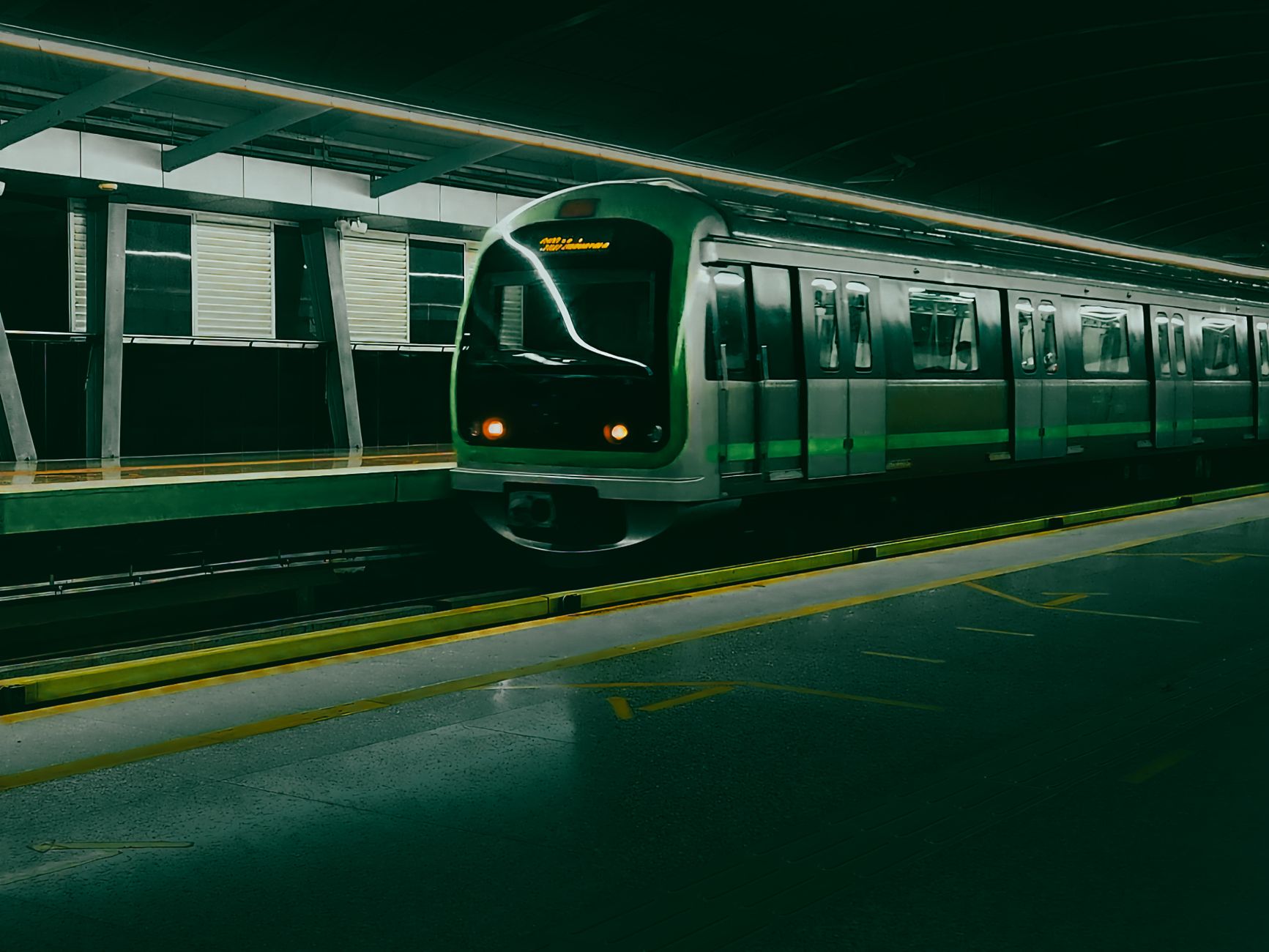
Karnataka Metro funding is a priority as CM Shivakumar expresses readiness to collaborate with the Centre for the nation’s progress. The Chief Minister seeks immediate attention for Metro projects to boost infrastructure.
Overview of Karnataka’s Metro funding needs
Karnataka’s ambitious Metro project has reached a critical juncture as it seeks essential funding to enhance urban mobility across the state. The need for Karnataka Metro funding has become increasingly pressing, as the infrastructure is pivotal for reducing traffic congestion and promoting sustainable transportation options.
Chief Minister Siddaramaiah Shivakumar recently highlighted the significance of collaboration with the Central Government during discussions with Prime Minister Modi. He emphasized that timely financial support is vital for the completion and expansion of the Metro network, which is envisioned to connect key areas and facilitate easier commutes for millions of residents.
The Metro project aims to:
- Provide efficient public transport solutions
- Reduce carbon emissions by promoting electric-powered trains
- Stimulate economic growth through improved connectivity
- Enhance urban planning and reduce reliance on personal vehicles
With the Central Government’s backing, the Karnataka Metro project can realize its full potential, serving as a model for other states in India. The Chief Minister reiterated his commitment to working closely with the Centre to address the funding needs and ensure the people of Karnataka benefit from a modern and effective Metro system.
CM Shivakumar’s vision for state development
Chief Minister Siddaramaiah Shivakumar has articulated a strong vision for the development of Karnataka, emphasizing the importance of securing adequate funding for the state’s Metro projects. In a recent meeting with Prime Minister Narendra Modi, Shivakumar highlighted that the timely implementation of the Karnataka Metro funding would significantly enhance urban transportation and overall infrastructure in the state.
Shivakumar asserted that a well-funded Metro system could transform daily commutes, reduce traffic congestion, and promote sustainable urban growth. He stated, “Our goal is to create a world-class public transport system that not only serves the residents of Bengaluru but also sets a benchmark for other cities across the country.”
To achieve this vision, the Chief Minister proposes a collaborative approach with the Central Government, focusing on the following key strategies:
- Streamlined Funding Processes: Establishing clear protocols for faster disbursement of funds.
- Infrastructure Development: Prioritizing the construction of new Metro lines in underserved areas.
- Public Engagement: Involving citizens in the planning process to address community needs.
By working closely with the Centre, CM Shivakumar is optimistic that Karnataka Metro funding can be secured, paving the way for a more efficient and connected future.
Collaboration between Karnataka and the Centre
The collaboration between the Karnataka government and the Centre is pivotal for the timely execution of the state’s Metro projects. Recognizing the importance of efficient public transportation, Chief Minister Shivakumar has actively sought to strengthen this partnership. His recent discussions with Prime Minister Modi have emphasized the need for urgent funding to support the expansion of the Karnataka Metro system.
During the meeting, CM Shivakumar outlined several key areas where cooperation is essential:
- Funding Assurance: Securing necessary financial resources to accelerate project timelines.
- Technical Support: Leveraging expertise from the Centre to enhance project implementation strategies.
- Policy Alignment: Ensuring state policies align with national infrastructure goals to facilitate smoother operations.
The Chief Minister’s vision includes not only the development of the Metro but also the broader objective of transforming Karnataka into a hub of urban mobility. With the right support from the Centre, Karnataka Metro funding can become a reality, paving the way for improved connectivity and reduced congestion in urban areas.
As both parties work closely together, the hope is to establish a model of cooperation that can serve as a benchmark for future infrastructure initiatives across the country.
Impact of Metro projects on local economy
The implementation of the Karnataka Metro projects is poised to have a transformative impact on the local economy. As the state government seeks additional funding for these initiatives, the potential benefits are becoming increasingly clear.
Metro systems can significantly enhance urban mobility, reducing travel times and easing congestion on the roads. This improved accessibility will not only facilitate the daily commute for thousands of residents but also attract businesses looking to establish themselves in well-connected areas.
Key impacts include:
- Job Creation: The construction and operation of metro lines are expected to generate numerous job opportunities, from skilled labor to administrative roles.
- Increased Property Values: Areas adjacent to metro stations often experience a rise in property values, benefiting homeowners and local businesses.
- Boost to Local Businesses: Enhanced access can lead to increased foot traffic for shops and restaurants, fostering a vibrant local economy.
- Environmental Benefits: By promoting public transport usage, the Metro can help reduce pollution and carbon emissions, contributing to a healthier environment.
As Karnataka Metro funding discussions progress, stakeholders emphasize that a well-planned metro system will catalyze economic growth and elevate the quality of life for residents across the state.
Future plans for public transport in Karnataka
Karnataka is poised to enhance its public transport infrastructure significantly, with ambitious plans that align with the Centre’s vision for sustainable urban mobility. The state’s future plans for public transport, especially concerning Karnataka Metro funding, emphasize integrating various transit systems to create a seamless travel experience for residents and visitors alike.
Key initiatives include:
- Expansion of Metro Lines: The government aims to extend existing Metro lines and introduce new routes to connect underserved areas, ensuring greater accessibility.
- Investment in Electric Buses: Transitioning to electric buses will not only reduce pollution but also complement the Metro system by providing last-mile connectivity.
- Smart Ticketing Solutions: Implementing unified ticketing systems across different modes of transport will streamline fare collection and improve user convenience.
- Public Awareness Campaigns: Educating citizens about the benefits of using public transport is crucial for increasing ridership and reducing congestion on roads.
With CM Shivakumar’s commitment to prioritizing Metro funding, Karnataka aims to create a robust public transport framework that supports economic growth, enhances the quality of life, and contributes to environmental sustainability. Future collaborations with the Centre will be vital in realizing these ambitious goals.
The recent discussions on Karnataka Metro funding have highlighted the importance of collaborative efforts between the state and the Centre. As stakeholders push for more transparency, Karnataka Metro funding is expected to play a crucial role in the timely completion of the project.
Photo by Arjun Gk on Pexels