
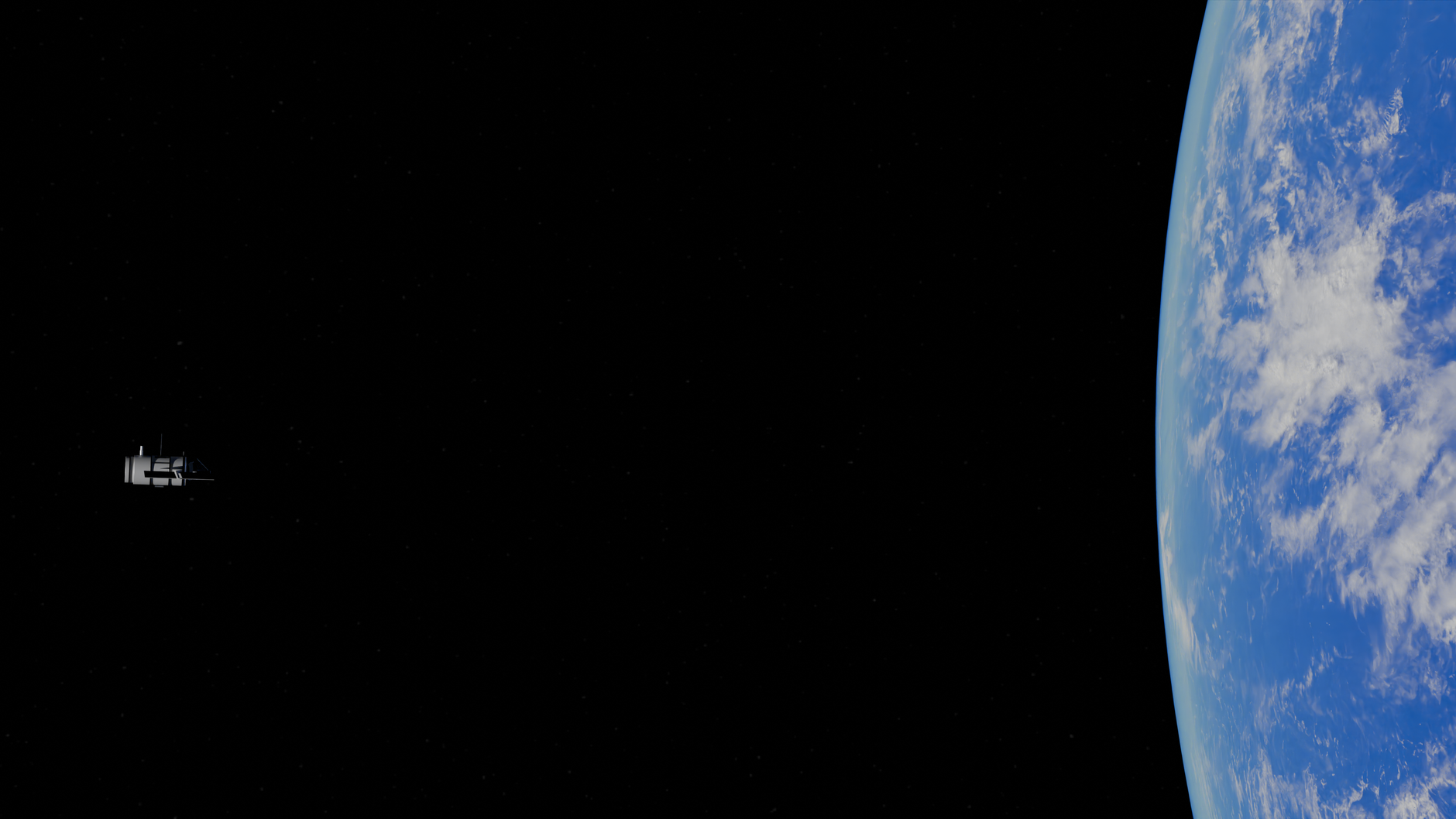
Japan asteroid mission is now canceled, raising questions about the authenticity of its target, asteroid 1998 KY26, as astrophysicist Avi Loeb suggests it may be human-made.
Overview of Japan’s asteroid mission
The recent announcement from Japan regarding the cancellation of its asteroid mission has sparked widespread debate among scientists and space enthusiasts alike. The mission, aimed at exploring asteroid 1998 KY26, was seen as a significant step in advancing our understanding of the solar system and the origins of celestial bodies.
Japan’s asteroid mission was designed to gather essential data and samples that could provide insights into the early solar system. Asteroids like 1998 KY26 are believed to be remnants from the formation of planets, holding clues about the building blocks of life.
Despite the mission’s potential, the decision to cancel has raised concerns about the future of space exploration in Japan. Critics argue that halting such a well-planned and funded initiative could hinder advancements in planetary science. Avi Loeb, a prominent astrophysicist, has even suggested that the asteroid is human-made, further complicating the rationale behind the mission’s cancellation.
As Japan shifts its focus away from this groundbreaking endeavor, many in the scientific community are left questioning the implications for future explorations. The loss of this mission could mean missing out on vital discoveries that might have reshaped our understanding of the universe and our place within it.
Reasons behind the cancellation
The recent decision to cancel the Japan asteroid mission to 1998 KY26 has sparked considerable debate among scientists and space enthusiasts. Several key reasons have been cited for this controversial choice.
- Budget Constraints: One of the primary factors leading to the cancellation is the increasing financial pressure on the Japanese space agency. With limited funding available, prioritizing projects has become essential.
- Shifting Focus: The agency has expressed a desire to redirect its efforts towards missions that promise more immediate scientific returns. Critics argue this short-sightedness undermines long-term goals.
- Concerns Over Feasibility: Some experts raised doubts about the technical challenges associated with the mission. Given the complexities involved in reaching and studying asteroid 1998 KY26, planners feared potential setbacks.
- External Opinions: The controversial stance of astrophysicist Avi Loeb, who claims the asteroid may be human-made, has further complicated discussions about the mission’s value. This perspective has influenced public perception and political support.
In light of these factors, many believe the cancellation of the Japan asteroid mission is a profound loss for planetary science, curtailing opportunities to explore and understand the origins of our solar system.
Avi Loeb’s controversial claims
Avi Loeb, a prominent astrophysicist, has stirred controversy with his claims regarding the nature of celestial bodies, particularly in light of Japan’s asteroid mission cancellation. He argues that the asteroid 1998 KY26, the target of the now-abandoned mission, could be a human-made object rather than a natural formation. This assertion has sparked intense debate among scientists and space enthusiasts alike, as it challenges long-standing perceptions about what constitutes an asteroid.
Loeb’s perspective raises several questions about the implications of such a classification. He suggests that if 1998 KY26 is indeed artificial, it may offer insights into advanced technologies and extraterrestrial life. Critics, however, warn that his views could undermine the scientific integrity of space exploration. The Japan asteroid mission was celebrated for its potential to enhance our understanding of the solar system, and the decision to cancel it has left many questioning the rationale behind prioritizing speculation over proven exploration.
In a field where evidence is paramount, the division of opinions highlights the complexities surrounding space research. As the scientific community grapples with these claims, the future of missions like Japan’s asteroid mission remains uncertain, leaving many advocates of exploration frustrated with the current trajectory of space policy.
Future of asteroid exploration
The future of asteroid exploration stands at a critical juncture, particularly in light of Japan’s asteroid mission cancellation. This decision raises concerns not only about the immediate scientific endeavors but also about the long-term implications for international space exploration.
Asteroids like 1998 KY26 offer unique opportunities to unlock the mysteries of our solar system, providing insights into the formation of planets and the origins of organic compounds. By canceling the mission, Japan may have missed a significant chance to advance our understanding of these celestial bodies.
Experts argue that continued exploration is essential. Potential benefits of asteroid missions include:
- Resource acquisition: Asteroids may hold valuable materials, such as rare metals, that could benefit Earth.
- Planetary defense: Understanding the composition and trajectory of asteroids is crucial for developing strategies to mitigate potential threats to our planet.
- Scientific research: Each mission could yield data that informs our knowledge of the universe and our place within it.
The cancellation of Japan’s asteroid mission has sparked debates among scientists and policymakers about prioritizing funding and resources. As the space race heats up, it remains to be seen how this decision will affect future endeavors in asteroid exploration globally.
The Japan asteroid mission has generated significant interest in space exploration, making its cancellation a controversial decision. Many experts argue that the Japan asteroid mission was a proven exploration effort that should have been continued for the advancement of science.
Photo by Zelch Csaba on Pexels