
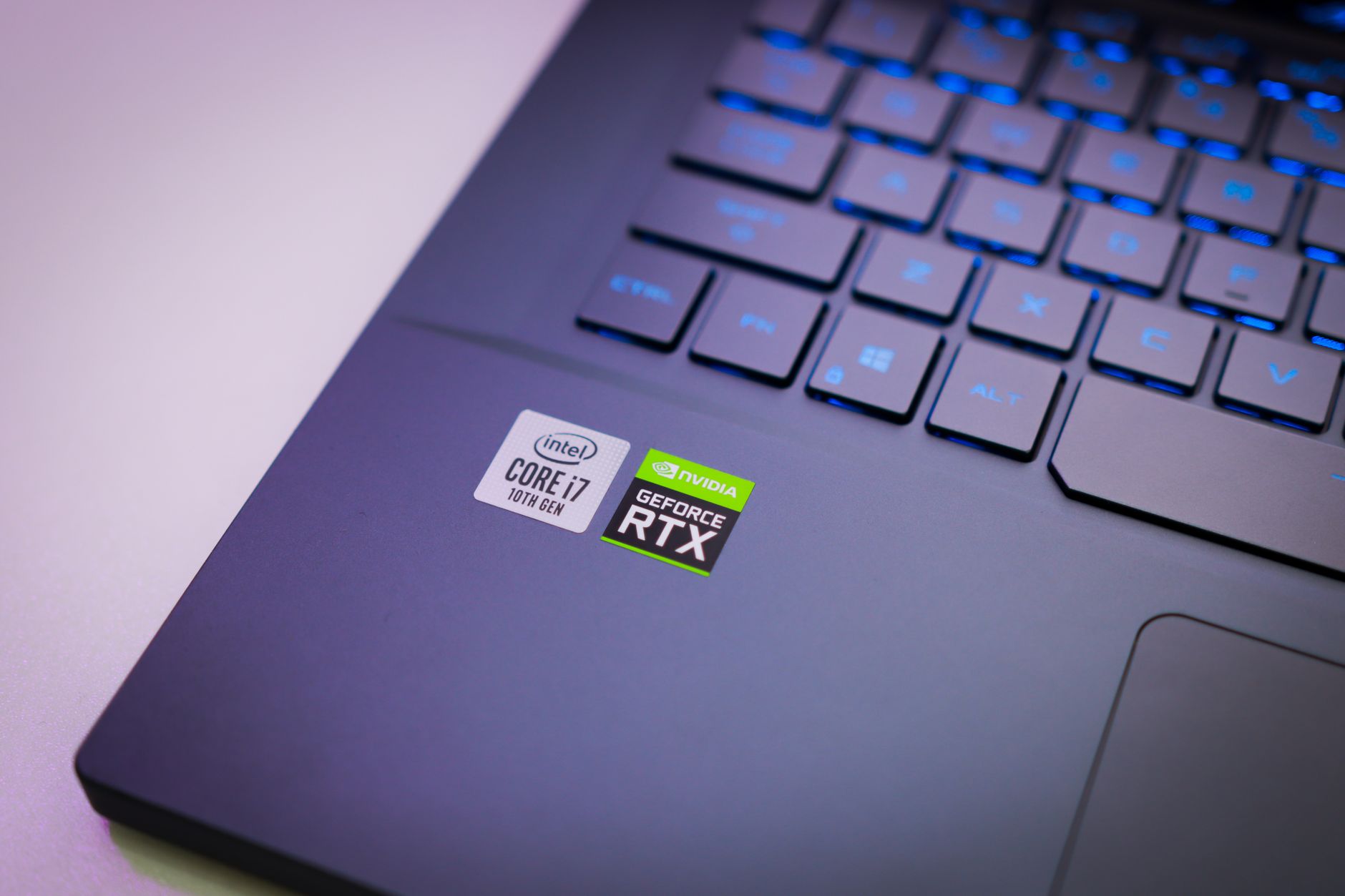
GPU futures market is gaining attention as CME prepares to launch new products. This shift could reshape how investors approach computing power investments.
Understanding GPU Futures Market
The GPU futures market represents a new frontier in the world of investments, particularly as the demand for graphics processing units continues to surge. As industries increasingly rely on GPU capabilities for tasks such as artificial intelligence and data analytics, the emergence of futures contracts allows investors to hedge against price volatility and speculate on future price movements.
Understanding this market involves recognizing its components, including:
- Contract Specifications: Futures contracts are agreements to buy or sell GPUs at a predetermined price on a specific date.
- Market Participants: These include miners, gamers, and industries relying on high-performance computing.
- Price Influencers: Factors such as supply chain issues, technological advancements, and market demand significantly impact GPU prices.
Moreover, trading in the GPU futures market can provide investors with opportunities to diversify their portfolios. With the recent announcement by CME to launch GPU futures, stakeholders are keenly observing how this will shape investments in computing power commodities. As the market matures, understanding its dynamics will be crucial for making smart investment decisions.
Why Investors Are Interested
As the demand for graphics processing units (GPUs) continues to soar, investors are increasingly drawn to the GPU futures market. Several factors contribute to this heightened interest.
- Market Volatility: The rapid fluctuations in GPU prices due to supply chain issues and technological advancements make futures contracts an attractive option for hedging against potential losses.
- Speculation Opportunities: Investors see potential for profit by speculating on future price movements of GPUs, leveraging their knowledge of market trends and demands.
- Diversification: Including GPU futures in an investment portfolio allows for greater diversification, providing exposure to the tech sector without direct investment in physical hardware.
- Increased Adoption: As more industries, including gaming, AI, and cryptocurrency mining, rely on GPUs, the futures market is seen as a vital tool for managing financial risks associated with these sectors.
- Institutional Interest: With platforms like CME launching GPU futures, institutional investors are likely to enter the market, further driving interest and liquidity.
Ultimately, the combination of these factors has positioned the GPU futures market as a compelling opportunity for savvy investors looking to navigate the complexities of this high-stakes industry.
Impact on Tech Industry
The introduction of the GPU futures market is poised to significantly impact the tech industry, reshaping how companies approach investments in computing power. With the growing demand for graphics processing units across various sectors, the futures market offers a way for businesses to hedge against price volatility.
As organizations increasingly rely on GPUs for tasks such as artificial intelligence, machine learning, and gaming, the ability to predict and manage costs becomes crucial. The GPU futures market enables companies to lock in prices for future purchases, providing a level of financial security that was previously unavailable.
Additionally, this market could lead to increased competition among GPU manufacturers. As investors recognize the potential of GPU futures, more companies may enter the market, driving innovation and potentially lowering prices for end-users.
Moreover, as the tech industry continues to evolve, the significance of this market will likely grow. Key stakeholders, including software developers and hardware manufacturers, will need to stay informed about trends within the GPU futures market to make strategic decisions that align with evolving consumer demands.
In summary, the GPU futures market is not just a financial instrument; it represents a transformative shift in how the tech industry approaches the procurement of essential computing resources.
Predictions for the Future
As the GPU futures market gains traction, industry experts are offering varied predictions about its potential impact on technology investments. Analysts believe that the increasing demand for graphics processing units in AI and gaming industries will drive prices higher, making this market an attractive option for savvy investors.
One key prediction is that the GPU futures market will stabilize pricing fluctuations, allowing companies to better plan their budgets and investments. By locking in prices, firms can avoid the volatility that has characterized the hardware market in recent years.
Additionally, as more institutional investors enter the GPU futures market, liquidity is expected to improve, which could enhance trading opportunities. This influx may also lead to the development of more sophisticated financial products related to GPU assets.
However, there are also cautionary voices suggesting that while the futures market presents opportunities, it may also introduce risks associated with speculation. Investors should remain vigilant about market trends and technological advancements that could influence GPU demand.
Overall, as the GPU futures market evolves, it will undoubtedly reshape investment strategies and could potentially lead to a new era of tech financing.
Photo by Foysal Ahmed on Pexels