
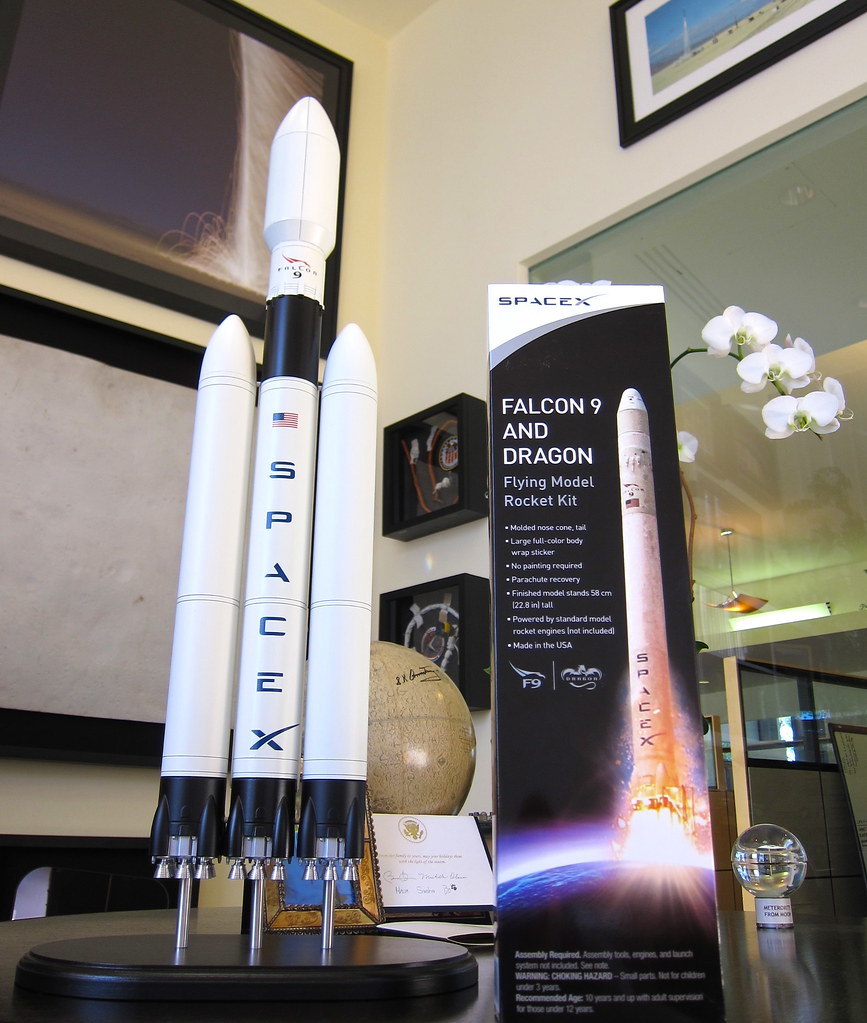
Amazon SpaceX launch is set to reshape the competitive landscape of the space industry. With ULA’s recent failures, this partnership signifies a bold new chapter.
Overview of Amazon’s SpaceX Partnership
In a groundbreaking move, Amazon is set to enhance its satellite deployment capabilities through a partnership with SpaceX. This collaboration comes in the wake of United Launch Alliance’s (ULA) recent failures to deliver on scheduled launches, prompting Amazon to seek reliable alternatives. The Amazon SpaceX launch initiative aims to propel the company’s Project Kuiper, which intends to provide high-speed internet access across the globe.
Amazon has committed to deploying thousands of satellites into low Earth orbit, and with SpaceX’s proven track record in successfully launching payloads, the partnership is poised to transform the landscape of satellite communications.
The decision to collaborate with SpaceX underscores Amazon’s determination to compete in the growing space industry. The partnership not only emphasizes the innovative spirit of both companies but also highlights the competitive rivalry that defines the sector. As they work together, the Amazon SpaceX launch could serve as a benchmark for future collaborations and rivalries in space exploration.
With ambitious goals ahead, this partnership is sure to capture the attention of the tech world and beyond.
Impacts of ULA’s Delivery Failures
The recent delivery failures of United Launch Alliance (ULA) have created significant ripples in the aerospace industry, particularly impacting Amazon’s ambitious plans for satellite deployment. With ULA struggling to meet deadlines, Amazon has turned to SpaceX, marking a pivotal moment in their ongoing rivalry in space.
As ULA’s delays continue, several key impacts have emerged:
- Increased Reliance on SpaceX: Amazon’s pivot towards SpaceX for launching its Project Kuiper satellites exemplifies the growing trust in SpaceX’s capabilities amidst ULA’s shortcomings.
- Accelerated Deployment of Services: With SpaceX’s record of timely launches, Amazon can expedite its plans to deliver broadband services globally, enhancing competition in the satellite internet market.
- Market Dynamics Shift: The failure of ULA to deliver has not only affected Amazon but also shifted market dynamics, pushing other companies to reassess their launch strategies.
As the Amazon SpaceX launch partnership strengthens, it highlights the necessity of reliability in space operations, a vital factor for companies venturing into this competitive arena.
What the Amazon SpaceX Launch Means for the Future
The recent Amazon SpaceX launch marks a significant turning point in the space industry, illustrating the competitive dynamics between major players in the market. As Amazon ramps up its efforts to establish a presence in space logistics, the collaboration with SpaceX not only enhances the company’s capabilities but also sets a new benchmark for innovation and efficiency.
This partnership is expected to yield several benefits:
- Increased Launch Frequency: The Amazon SpaceX launch allows for more frequent access to space, which is crucial for deploying satellites and other technologies.
- Cost Efficiency: Leveraging SpaceX’s reusable rocket technology can significantly reduce costs, making space ventures more accessible for Amazon.
- Enhanced Competition: This collaboration intensifies the rivalry with traditional aerospace firms, pushing them to innovate and improve their services.
- Future Prospects: The success of this partnership could pave the way for future collaborations and advancements in space exploration.
Ultimately, the Amazon SpaceX launch signifies a bold step forward, reshaping the landscape of the aerospace industry and highlighting the importance of collaboration in achieving ambitious goals.
Comparing Amazon and SpaceX’s Strategies
The rivalry between Amazon and SpaceX is shaping the future of space exploration. Both companies have distinct strategies that highlight their competitive edges. Amazon’s approach focuses on leveraging its extensive logistics and cloud computing infrastructure to enhance satellite communication and delivery systems. This strategy is evident in its Project Kuiper, which aims to provide global broadband coverage.
On the other hand, SpaceX is known for its rapid innovation and cost-effective launch solutions. With the Falcon 9 and Starship rockets, SpaceX has significantly reduced launch costs, making it an attractive partner for Amazon in their upcoming launches.
When examining their strategies, several key differences emerge:
- Launch Frequency: SpaceX has a higher launch frequency due to its established rocket technology.
- Infrastructure: Amazon aims to leverage its existing infrastructure while SpaceX builds from the ground up.
- Market Focus: Amazon targets connectivity through satellites, whereas SpaceX focuses on transportation and exploration.
The Amazon SpaceX launch signifies a crucial step in this ongoing rivalry, with both companies pushing the boundaries of what is possible in space.
Key Players in the Space Race
The ongoing rivalry between Amazon and SpaceX has become a defining feature of the modern space race. As both companies strive to expand their influence and capabilities in the aerospace industry, several key players contribute to this dynamic competition.
- Jeff Bezos: The founder of Amazon, Bezos has shifted his focus to space exploration through his company Blue Origin, aiming to complement his ambitions in the digital realm.
- Elon Musk: As the CEO of SpaceX, Musk is known for his aggressive strategy and groundbreaking innovations, positioning SpaceX as a leader in satellite launches and interplanetary missions.
- ULA (United Launch Alliance): Once a dominant force in space launches, ULA’s recent delivery failures have opened the door for competitors like SpaceX to capitalize on new opportunities.
- NASA: The agency continues to play a pivotal role in shaping the landscape of space exploration by partnering with both Amazon and SpaceX on various projects.
The Amazon SpaceX launch reflects the intensifying competition, with both companies pushing boundaries to achieve unprecedented success in the cosmos.
Public Reaction to the New Rivalry
The recent Amazon SpaceX launch has sparked diverse reactions from the public and industry experts alike. Many view this partnership as a pivotal moment in the ongoing rivalry between major players in the aerospace sector. Social media platforms are flooded with discussions, highlighting the excitement and skepticism surrounding this collaboration.
Supporters of the Amazon SpaceX launch argue that the alliance will accelerate innovation and drive down costs, making space more accessible. They believe that combining Amazon’s extensive logistics experience with SpaceX’s advanced rocket technology could lead to significant advancements in satellite deployment and other space endeavors.
Conversely, critics express concerns over the implications of such a partnership. Some fear that increased competition may lead to monopolistic behaviors, potentially stifling smaller companies attempting to enter the space market. Furthermore, there are apprehensions about the environmental impact of heightened launch frequencies.
As this rivalry unfolds, the public remains intrigued, eager to witness how the Amazon SpaceX launch will reshape the future of space exploration.
Future Launch Plans and Expectations
As the rivalry intensifies with the Amazon SpaceX launch, both companies are poised to make significant advancements in the coming years. In the wake of ULA’s recent delivery failures, Amazon is expected to leverage its partnership with SpaceX to accelerate its satellite deployment schedule. This collaboration is anticipated to enhance the global internet coverage offered by Amazon’s Project Kuiper.
In the immediate future, both Amazon and SpaceX are planning a series of launches aimed at expanding their capabilities. Key milestones include:
- Increased Launch Frequency: SpaceX is expected to ramp up the number of launches per month, aiming for efficiency and reliability.
- Technological Innovations: Both companies are investing in cutting-edge technologies to improve payload capacity and reduce costs.
- Regulatory Approvals: Navigating the complexities of space regulations will be crucial for both Amazon and SpaceX as they seek to expand their operations.
As these plans unfold, industry experts are closely monitoring how the Amazon SpaceX launch will reshape the competitive landscape of the space industry.
By jurvetson via Openverse
References
Related stories
Wide Foldable Phone: Honor’s Proven Design with No Creases · ISRO space ambitions: Best proven technology advancements · India Nepal partnership: Best proven strategies for growth