
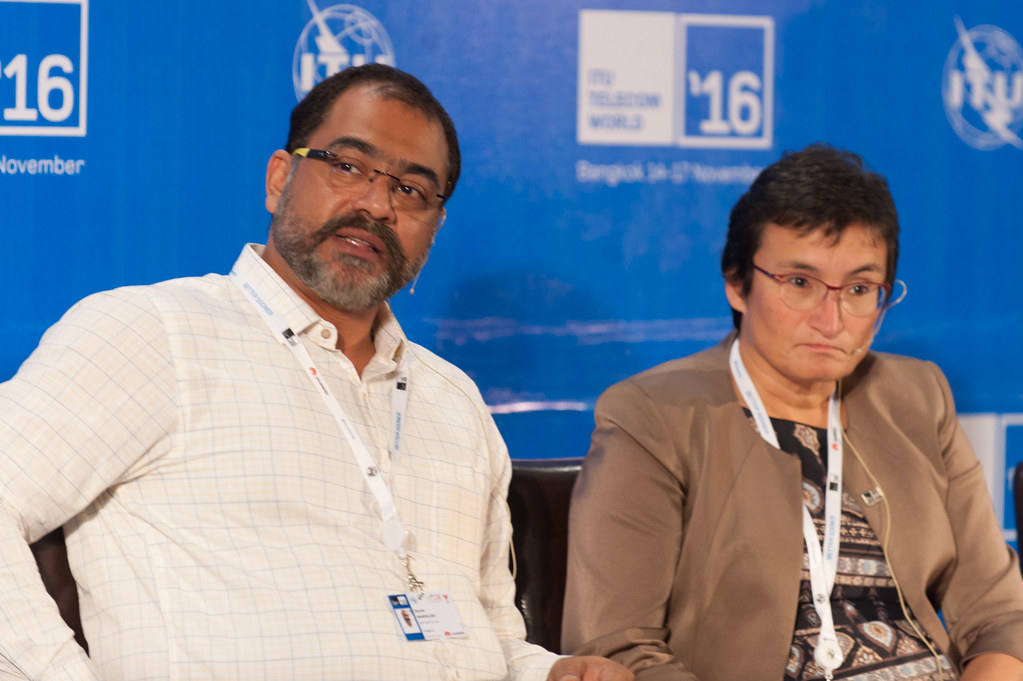
AI innovation in India is reshaping the technological landscape and opening new opportunities. The WeAreDevelopers conference highlights this exciting trend.
Overview of AI Innovation in India
India is rapidly emerging as a global hub for AI innovation, leveraging its vast talent pool and robust technological infrastructure. The country’s commitment to fostering an environment conducive to AI development is evident in various initiatives and investments aimed at enhancing research and innovation.
Recent developments, such as the WeAreDevelopers conference, highlight the growing enthusiasm surrounding AI technologies in India. This event serves as a platform for industry leaders, researchers, and enthusiasts to share insights and showcase cutting-edge advancements.
Key factors contributing to the success of AI innovation in India include:
- Government Support: The Indian government is actively promoting policies that encourage AI research and development.
- Skilled Workforce: With a large number of engineers and data scientists, India has a competitive edge in talent.
- Startup Ecosystem: The country boasts a vibrant startup culture, with numerous companies focusing on AI solutions across various sectors.
- Global Collaboration: Partnerships with international organizations facilitate knowledge exchange and technological advancements.
As India continues to invest in AI innovation, it is poised to play a pivotal role in shaping the future of technology on a global scale.
Keynote Speakers at the Conference
The recent conference on AI innovation in India featured a lineup of distinguished keynote speakers who are at the forefront of technological advancements. This event served as a platform for sharing insights and strategies essential for harnessing the potential of artificial intelligence in the country.
Among the notable speakers were:
- Dr. Aditi Sharma, Chief Data Scientist at Tech Innovations, who discussed the future of machine learning in various sectors.
- Rajeev Kumar, CEO of NextGen AI Labs, who presented on the importance of ethical AI and sustainable practices.
- Dr. Neha Joshi, a renowned AI researcher, who emphasized the role of academia in driving AI innovation in India.
- Anil Mehta, founder of StartUp AI, who shared successful case studies from Indian startups leveraging AI technologies.
Each speaker brought unique perspectives, contributing to a rich dialogue on the best proven strategies for success in AI innovation in India. The conference highlighted the collaborative efforts required to propel the nation into a leading position in the global AI landscape.
Impact of AI on Indian Industries
The impact of AI innovation in India is transforming various industries, driving significant advancements and creating new opportunities. Businesses across sectors are leveraging artificial intelligence to enhance efficiency, improve customer experiences, and foster growth.
Key industries benefiting from AI include:
- Healthcare: AI technologies are revolutionizing diagnostics and patient care, enabling early detection of diseases and personalized treatment plans.
- Finance: Financial institutions are utilizing AI for fraud detection, risk management, and personalized banking services, ultimately enhancing security and customer satisfaction.
- Manufacturing: Automation and predictive maintenance powered by AI are streamlining production processes, reducing downtime, and increasing productivity.
- Retail: Businesses are employing AI to analyze consumer behavior, optimize inventory management, and personalize marketing strategies, resulting in improved sales and customer loyalty.
As AI innovation in India continues to evolve, it is crucial for organizations to adopt these technologies strategically. Embracing AI not only leads to operational excellence but also positions businesses to compete in an increasingly digital world.
Success Stories from AI Startups
India has emerged as a vibrant hub for AI innovation, with numerous startups leading the charge. Success stories from these companies highlight the potential of artificial intelligence to transform industries and improve lives.
One standout example is Niramai, which has developed a novel AI-based solution for breast cancer screening. By using thermal imaging and machine learning, the startup offers a non-invasive, cost-effective method that is accessible to millions of women in rural areas.
Another notable success is SigTuple, which leverages AI to automate medical diagnosis through image analysis. Their platform assists doctors in making more accurate and timely decisions, thus enhancing patient care.
Furthermore, Qure.ai utilizes deep learning algorithms to interpret medical imaging, significantly speeding up the diagnostic process in radiology. This innovation not only saves time but also improves the accuracy of diagnoses in critical cases.
These examples illustrate how AI innovation in India is not just a buzzword but a transformative force, driving success and addressing real-world challenges across various sectors.
Challenges Facing AI Adoption
The rapid growth of AI innovation in India has not been without its challenges. As companies and startups strive to integrate artificial intelligence into their operations, they face several obstacles that can hinder progress. Understanding these challenges is crucial for fostering a supportive environment for AI adoption.
- Limited Infrastructure: Many regions in India still lack the necessary infrastructure to support advanced AI technologies, which can hinder development and implementation.
- Skill Gap: There is a significant shortage of skilled professionals who are well-versed in AI and machine learning, making it difficult for organizations to find talent.
- Regulatory Hurdles: Existing regulations may not be conducive to rapid AI innovation, leading to uncertainty for businesses looking to invest in new technologies.
- Data Privacy Concerns: With the rise of AI comes the responsibility of handling vast amounts of data, raising questions about privacy and security.
- Resistance to Change: Many traditional industries are hesitant to adopt AI technologies, fearing disruption to established processes and job roles.
Addressing these challenges is essential for maximizing the potential of AI innovation in India and ensuring its success across various sectors.
Future Trends in AI Technology
The landscape of AI innovation in India is poised for significant transformation as emerging trends begin to shape the future of technology. Industry experts predict several key advancements that will influence the trajectory of AI development across various sectors.
- Increased Automation: Businesses are likely to adopt AI-driven automation tools to enhance efficiency and reduce operational costs, enabling them to focus on core activities.
- AI Ethics and Governance: With the rise of AI applications, there will be a growing emphasis on ethical frameworks and governance to ensure responsible AI use.
- Personalized AI Experiences: Companies will leverage AI to create more personalized user experiences, tailoring products and services according to individual preferences and behaviors.
- AI in Healthcare: Innovations in AI technology will revolutionize healthcare in India, improving diagnostics, treatment plans, and patient care through data-driven solutions.
- Collaborative AI: Future trends indicate a shift towards collaborative AI systems that work alongside humans, enhancing productivity and decision-making processes.
As these trends unfold, India stands at the forefront of AI innovation, harnessing its potential to drive economic growth and societal advancement.
Conclusion and Key Takeaways
As the conference concludes, it is evident that AI innovation in India is poised for substantial growth, fueled by a blend of talent, investment, and strategic initiatives. The insights shared by industry leaders and experts underscore the transformative power of artificial intelligence across various sectors.
Key takeaways from the discussions highlight several critical areas for success in AI:
- Collaboration: Partnerships between startups, established companies, and academic institutions are essential for fostering a robust innovation ecosystem.
- Investment in Talent: Developing skills and knowledge in AI technologies is crucial to maintain a competitive edge.
- Focus on Ethics: Addressing ethical concerns and ensuring responsible AI usage will build trust among consumers and stakeholders.
- Government Support: Policies that encourage research and development will significantly enhance the growth of AI initiatives in the country.
- Adaptability: Businesses must be agile and ready to pivot in response to technological advancements and market demands.
In conclusion, the future of AI innovation in India looks promising, with numerous opportunities for growth and development on the horizon.
By ITU Pictures via Openverse