
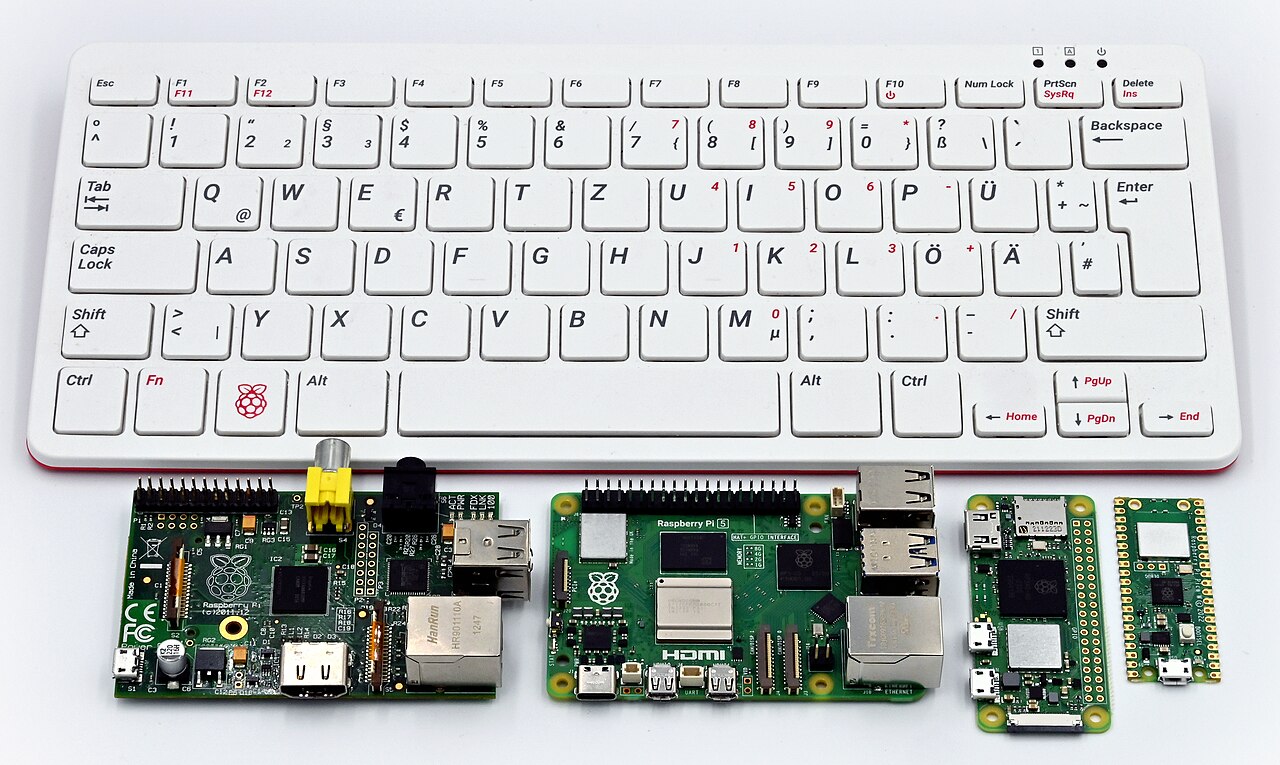
The Raspberry Pi 5 price increase has sparked discussion among tech enthusiasts. With the new price at $385, many are questioning if it’s still a viable option for projects.
Understanding the Raspberry Pi 5 Price Hike
The recent announcement regarding the Raspberry Pi 5 price increase has left many enthusiasts and developers questioning the value of this popular single-board computer. Originally launched at a much lower price, the 16GB variant has skyrocketed to $385, which is more than triple its initial cost. This significant hike has prompted a shift in the maker community, as many are now exploring alternatives.
As a result, numerous hobbyists are turning to options like the Pico and ESP32 for smaller projects, while those looking for more robust solutions are investing in mini PCs. The rising costs of components and production have contributed to the price increase, making it crucial for potential buyers to weigh their options carefully.
Ultimately, understanding the implications of this price hike will help consumers determine if the Raspberry Pi 5 still meets their needs or if they should consider alternatives.
Alternatives to Raspberry Pi 5
As the Raspberry Pi 5 price increase becomes a concern for many hobbyists and developers, several alternatives are gaining popularity. The rising cost of the Raspberry Pi 5 has prompted makers to explore other options that may suit their needs without breaking the bank.
- Pico W: This microcontroller board is affordable and ideal for small projects, offering Wi-Fi connectivity at a fraction of the price.
- ESP32: Known for its versatility, the ESP32 provides excellent performance for IoT applications and is often favored for projects that require both processing power and wireless capabilities.
- Arduino boards: These are great for beginner projects and can handle a variety of tasks, making them a solid alternative to the Raspberry Pi 5.
- Mini PCs: For more ambitious tasks, mini PCs can offer greater processing power and connectivity options, potentially justifying their higher price tags.
Impact on Small Projects
The recent Raspberry Pi 5 price increase has raised concerns among hobbyists and small project enthusiasts. As the cost of the 16GB variant has skyrocketed to $385, many makers are reconsidering their options. This steep price hike can significantly impact budgeting for DIY projects, making it challenging for individuals and small teams to allocate funds effectively.
In light of these changes, many are turning to alternative solutions such as:
- Pico boards for simpler applications
- ESP32 for IoT projects
- Mini PCs for more ambitious tasks
These alternatives not only offer cost-effective solutions but also provide a range of functionalities that can meet the needs of various projects. The shift away from the Raspberry Pi 5 illustrates a growing trend in the maker community toward more affordable and versatile options.
Why Makers Choose Pico and ESP32
The recent Raspberry Pi 5 price increase has pushed many makers to explore alternative solutions like the Pico and ESP32. These microcontrollers offer a cost-effective way to implement various projects without the financial burden associated with Raspberry Pi 5.
Several reasons contribute to this shift:
- Affordability: The Pico and ESP32 are significantly cheaper, making them attractive for hobbyists and educators.
- Flexibility: Both platforms provide great versatility for small projects ranging from IoT devices to basic automation tasks.
- Community Support: With large communities, there are abundant resources and tutorials available for makers.
- Power Efficiency: These alternatives consume less power, which is ideal for battery-operated applications.
As the Raspberry Pi 5 price hike continues to impact budgets, many are finding these alternatives more appealing for their creative ventures.
Comparing Mini PCs for Ambitious Tasks
As the Raspberry Pi 5 price increase raises concerns among makers, many are exploring mini PCs as viable alternatives for ambitious tasks. These compact computers often offer greater processing power and memory, making them suitable for demanding applications.
When comparing options, enthusiasts should consider:
- Performance: Mini PCs typically feature more robust processors and RAM, enabling smoother multitasking and better handling of resource-intensive programs.
- Expandability: Many mini PCs support additional storage options and peripherals, allowing for tailored setups based on specific project needs.
- Price vs. Value: While mini PCs may come with a higher initial investment, their capabilities can justify the cost for serious projects.
Ultimately, the decision to switch from Raspberry Pi 5 to mini PCs will depend on individual project requirements and budget considerations.
Future of Raspberry Pi in Tech
The future of Raspberry Pi in tech appears uncertain following the recent price increase of the Raspberry Pi 5. As the cost has surged, many developers and makers are reassessing their options. The community’s response to the price hike has been mixed, with some expressing disappointment over the financial burden it places on small projects.
Despite this setback, the Raspberry Pi brand retains a strong following due to its versatility and longstanding history in education and development. However, the shift toward alternatives such as the Pico and ESP32 indicates a potential pivot in user preferences. Many enthusiasts are now exploring mini PCs for more ambitious tasks, which could reshape the landscape of DIY technology.
- Education: The Raspberry Pi continues to be a vital tool for learning programming.
- Projects: Makers are adapting to new technologies while evaluating the value of the Raspberry Pi 5 price increase.
User Reactions to Price Increase
User reactions to the recent Raspberry Pi 5 price increase have been mixed, with many expressing disappointment and frustration. The surge in price, particularly for the 16GB model now sitting at $385, has prompted some makers to reassess their choices.
Many users took to online forums to share their thoughts:
- Frustration: “I can’t believe how much the Raspberry Pi 5 price has jumped. It’s hard to justify the cost now!”
- Adaptability: “I’m switching to the Pico for my small projects; it’s just more feasible now.”
- Comparative Analysis: “Mini PCs offer more power for a similar investment, so I’m exploring those options.”
Overall, the price increase has sparked a conversation about affordability and the future of DIY tech projects.
Market Trends in Tech Gadgets
The tech gadget market is experiencing significant shifts, particularly highlighted by the recent Raspberry Pi 5 price increase. As manufacturers adjust to supply chain challenges and rising production costs, consumers are left to navigate a landscape where affordability is becoming increasingly elusive.
Many enthusiasts and makers are now considering alternatives that offer similar functionalities at lower price points. The trend is evident as more users are gravitating towards options like:
- Pico for lightweight projects
- ESP32 for IoT applications
- Various mini PCs for more demanding tasks
This shift not only affects purchasing decisions but also alters the overall landscape of technology creation. As the market evolves, it will be interesting to see how these trends impact innovation and accessibility within the tech community.
The recent Raspberry Pi 5 price increase has sparked debate among enthusiasts about its value. Many are weighing the benefits of the new features against the Raspberry Pi 5 price increase.
via Wikimedia Commons