
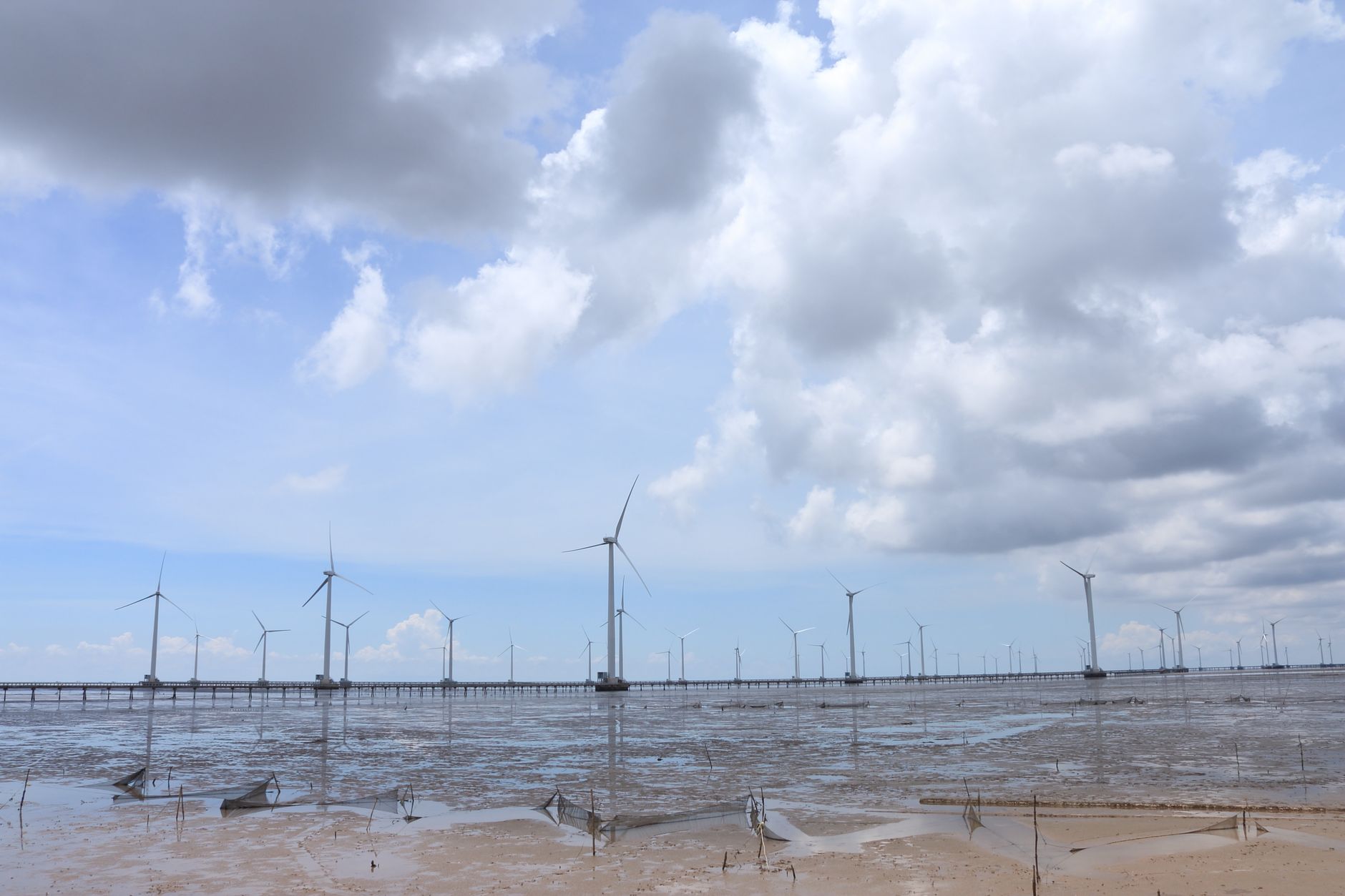
Commercial hybrid offshore wind projects are gaining traction as plans emerge for the first known deployment. This innovative approach combines traditional wind energy with new technologies, offering a glimpse into the future of sustainable energy.
Introduction to Hybrid Offshore Wind
As the world continues to seek sustainable energy solutions, commercial hybrid offshore wind has emerged as a promising avenue for development. This innovative approach combines traditional wind energy generation with other renewable sources, such as solar or battery storage, to enhance efficiency and reliability.
Recent reports have highlighted plans for the first known deployment of a commercial hybrid offshore wind project, signaling a significant step forward in the renewable energy sector. This deployment is expected to maximize energy production while minimizing environmental impact.
The integration of different energy sources allows for a more stable and consistent power supply, addressing one of the key challenges faced by standalone wind projects. By leveraging the strengths of each component, developers can create a more resilient energy system that meets growing demand.
Key benefits of commercial hybrid offshore wind include:
- Increased efficiency: Combining resources can lead to higher overall output.
- Enhanced reliability: Diversifying energy sources helps ensure a steady power supply.
- Reduced costs: Shared infrastructure can lower overall project expenses.
As technology advances, the future of hybrid offshore wind looks promising, paving the way for cleaner energy solutions worldwide.
Benefits of Hybrid Energy Solutions
Hybrid energy solutions, particularly commercial hybrid offshore wind, offer significant advantages in the transition to renewable energy sources. These systems integrate both wind and solar energy, maximizing efficiency and reliability. The key benefits include:
- Increased Energy Output: By harnessing multiple energy sources, hybrid systems can produce more electricity than traditional single-source systems.
- Reduced Operational Costs: Utilizing complementary energy sources can lead to lower operational expenses, especially during periods of low wind or sunlight.
- Enhanced Grid Stability: The variability of renewable energy can be mitigated through hybrid solutions, providing a more consistent energy supply.
- Lower Carbon Footprint: Combining wind and solar energy contributes to a significant reduction in greenhouse gas emissions, aligning with global climate goals.
- Flexible Deployment: These systems can be tailored to fit various geographical and environmental conditions, making them suitable for diverse locations.
Overall, the development of commercial hybrid offshore wind projects represents a pivotal step toward a sustainable energy future, combining the strengths of different renewable technologies.
Current Trends in Offshore Wind Deployment
As the demand for sustainable energy sources continues to rise, the commercial hybrid offshore wind sector is experiencing a surge in interest and investment. Industry leaders are increasingly recognizing the potential of integrating different energy generation methods to enhance efficiency and reliability.
Current trends indicate a shift towards commercial hybrid offshore wind deployments that combine wind power with other renewable technologies, such as solar and energy storage systems. This innovative approach not only maximizes energy output but also addresses the intermittency challenges associated with wind energy.
Several key developments are shaping the landscape:
- Increased Partnerships: Collaboration between technology providers and energy companies is becoming more common, facilitating the sharing of expertise and resources.
- Government Incentives: Many countries are introducing favorable policies and financial incentives to promote hybrid projects, driving further investment.
- Technological Advancements: Innovations in turbine design and energy management systems are enhancing the viability and performance of hybrid offshore wind farms.
As these trends continue to evolve, the potential for hybrid offshore wind solutions to contribute significantly to the global energy mix becomes increasingly evident.
Challenges Facing Hybrid Wind Projects
While the potential for commercial hybrid offshore wind projects is significant, several challenges must be addressed to ensure their success. These challenges include:
- Regulatory Hurdles: Navigating complex regulatory frameworks can impede project timelines. Different regions have varying levels of support and requirements, complicating development efforts.
- Technological Integration: Combining multiple energy sources, such as wind and solar, necessitates advanced technology that can efficiently manage and distribute energy. Ensuring compatibility among different systems remains a critical challenge.
- Infrastructure Development: The need for robust infrastructure to support hybrid systems is paramount. This includes not only the wind turbines themselves but also the necessary grid connections and energy storage solutions.
- Financial Investment: Securing adequate funding for commercial hybrid offshore wind projects can be daunting. Investors often seek proven technologies, which makes financing new hybrid models a tougher sell.
- Public Acceptance: Gaining support from local communities is vital. Concerns over visual impact and potential environmental effects can lead to opposition.
Addressing these challenges will be essential for realizing the full potential of commercial hybrid offshore wind deployments.
Technological Innovations in Renewable Energy
Recent advancements in technology have significantly propelled the development of commercial hybrid offshore wind solutions. These innovations play a crucial role in enhancing efficiency, reducing costs, and maximizing energy output.
One of the most notable technological breakthroughs is the integration of artificial intelligence (AI) in wind turbine management. This AI-driven approach allows for real-time monitoring and optimization of turbine performance, ensuring optimal energy capture even in varying weather conditions.
Additionally, the introduction of floating wind turbine platforms has expanded the potential for offshore wind farms. These platforms can be deployed in deeper waters where wind speeds are typically higher, allowing for greater energy production. Furthermore, advancements in storage technology, such as battery systems, enable the effective management of energy supply and demand, making hybrid systems more reliable.
Moreover, research into next-generation turbine designs continues to evolve. These designs aim to increase turbine efficiency and durability, contributing to the overall viability of commercial hybrid offshore wind projects. As these technologies mature, they pave the way for more sustainable and economically feasible energy solutions on a global scale.
Future of Offshore Wind Energy
The future of offshore wind energy is poised for significant transformation, particularly with the emergence of commercial hybrid offshore wind projects. These innovative solutions are set to enhance energy production while reducing reliance on traditional energy sources. As countries strive to meet their renewable energy targets, hybrid offshore wind farms can play a crucial role by combining various energy technologies.
Key factors driving the future of this sector include:
- Policy Support: Governments are increasingly supporting hybrid models through favorable regulations and incentives, making them more attractive for investment.
- Cost Reduction: Technological advancements are lowering the costs associated with hybrid offshore wind installations, improving their economic viability.
- Environmental Benefits: By integrating offshore wind with other renewable sources, these projects promise a lower carbon footprint, contributing to global sustainability efforts.
- Grid Stability: Hybrid systems provide reliable energy supply, enhancing grid stability and reducing vulnerability to fluctuations in energy demand.
As these developments unfold, the commercial hybrid offshore wind landscape will likely attract more stakeholders, fostering innovation and collaboration in the renewable energy sector.
Conclusion and Next Steps
As the renewable energy sector evolves, the future of commercial hybrid offshore wind deployment looks promising. Stakeholders are increasingly recognizing the potential of hybrid energy solutions to enhance energy security and reduce carbon emissions. The integration of multiple energy sources—such as wind, solar, and storage—can lead to a more resilient and reliable power grid.
Looking ahead, several key steps are essential for advancing commercial hybrid offshore wind projects:
- Investment in Research and Development: Continued innovation in technology will be critical for optimizing hybrid systems and reducing costs.
- Regulatory Support: Policymakers must create a conducive environment for hybrid projects, including streamlined permitting processes and incentives.
- Industry Collaboration: Partnerships between private companies, governments, and research institutions can drive progress and share best practices.
- Public Awareness: Educating the public about the benefits of commercial hybrid offshore wind can foster community support and acceptance.
By addressing these areas, the industry can pave the way for successful deployment of hybrid offshore wind projects, ultimately contributing to a sustainable energy future.
Photo by Jolenne Trieu on Pexels