
Hubble Space Telescope milestones mark a significant achievement in space exploration. Recently, NASA’s iconic telescope reached the impressive milestone of 200,000 orbits around Earth, showcasing its enduring legacy and contributions to astronomy.
Overview of Hubble’s Journey
The Hubble Space Telescope has been a cornerstone of astronomical discovery since its launch in 1990. Over the past three decades, Hubble has achieved numerous milestones that have significantly advanced our understanding of the universe. Its journey has been marked by groundbreaking observations and stunning imagery that continue to inspire awe.
Recently, Hubble reached a remarkable milestone by completing 200,000 orbits around Earth. This achievement highlights the telescope’s longevity and the success of its scientific missions. Hubble’s unique position above the atmosphere allows it to capture images and data without the interference of atmospheric distortion.
Throughout its operational life, Hubble has:
- Provided insights into the formation of galaxies, stars, and planetary systems.
- Contributed to the discovery of exoplanets and the mysteries surrounding dark energy.
- Captured iconic images, such as the Pillars of Creation and the Hubble Deep Field.
These achievements represent just a fraction of Hubble’s contributions to astronomy. As it continues to orbit the Earth, Hubble remains a vital tool for scientists, proving that its milestones are not only worth celebrating but also crucial for future discoveries.
Significance of 200,000 Orbits
The recent achievement of the Hubble Space Telescope completing 200,000 orbits around Earth marks a significant milestone in its storied history. This accomplishment not only highlights the telescope’s durability and the effectiveness of its design but also underscores the profound impact it has had on astronomy and our understanding of the universe.
Throughout its operational lifetime, Hubble has delivered groundbreaking discoveries that have reshaped our perception of space. Some key points regarding the significance of this milestone include:
- Extended Lifespan: The successful completion of 200,000 orbits demonstrates Hubble’s resilience and the successful upgrades it has received over the years, ensuring its continued functionality.
- Scientific Contributions: Hubble has provided invaluable data that has led to critical advancements in fields such as cosmology, astrophysics, and planetary science.
- Inspirational Legacy: The Hubble Space Telescope serves as a source of inspiration for future generations of scientists and astronomers, encouraging exploration and innovation.
- Public Engagement: Hubble’s stunning images have captivated the public, fostering a greater interest in astronomy and science as a whole.
As we celebrate the Hubble Space Telescope milestones, it is essential to recognize the ongoing legacy of this remarkable instrument in expanding our knowledge of the cosmos.
Major Discoveries by Hubble
The Hubble Space Telescope has achieved numerous milestones, each contributing significantly to our understanding of the universe. Since its launch in 1990, Hubble has made groundbreaking discoveries that have reshaped our view of space.
Among its major discoveries are:
- Expansion of the Universe: Hubble played a crucial role in determining the rate of the universe’s expansion, leading to the discovery of dark energy.
- Exoplanets: The telescope has identified multiple exoplanets and provided insights into their atmospheres, enhancing our knowledge of potential habitable worlds.
- Deep Field Images: Hubble’s deep field images have revealed thousands of galaxies in a tiny patch of sky, showcasing the vastness and richness of the universe.
- Black Holes: It has provided evidence for the existence of supermassive black holes at the centers of galaxies, including our Milky Way.
- Stellar Evolution: Hubble has captured stunning images of nebulae, allowing scientists to study the life cycles of stars in unprecedented detail.
These Hubble Space Telescope milestones highlight its invaluable contributions to astronomy, making it a vital tool for scientific research and discovery.
Future of Hubble Space Telescope
The future of the Hubble Space Telescope remains bright, despite the challenges it has faced over its long operational history. As it continues to orbit Earth, scientists and astronomers are optimistic about the potential for new discoveries. The Hubble Space Telescope milestones achieved thus far set a strong foundation for ongoing research and exploration.
Following its impressive achievement of 200,000 orbits, Hubble is poised to contribute further to our understanding of the universe. Upcoming projects aim to enhance its capabilities and extend its operational life. Key initiatives include:
- Advanced Instruments: Plans to upgrade existing instruments will improve data collection and imaging quality.
- Collaborative Missions: Hubble will work in tandem with the James Webb Space Telescope, providing complementary observations.
- Public Engagement: Continuing to inspire the next generation of scientists through educational outreach and public programs.
As we look ahead, Hubble’s ability to capture stunning images and gather critical data ensures its place as a vital tool in astrophysics. These Hubble Space Telescope milestones not only highlight past achievements but also pave the way for future explorations that will deepen our understanding of the cosmos.
Technological Advances in Space Telescopes
The Hubble Space Telescope has consistently pushed the boundaries of astronomical research through its remarkable technological advances. These milestones have not only revolutionized our understanding of the universe but also paved the way for future endeavors in space exploration.
One of the most significant technological breakthroughs of the Hubble Space Telescope was its deployment in 1990. This marked a new era in astronomy, as it was the first telescope to capture high-resolution images from space, free from the distortion of Earth’s atmosphere. Subsequent upgrades, such as the installation of the Wide Field Camera 3 in 2009, have significantly enhanced its imaging capabilities, allowing astronomers to observe distant galaxies and nebulae with unprecedented clarity.
Moreover, the Hubble’s ability to conduct long-term observations has led to groundbreaking discoveries, including the measurement of the universe’s expansion rate. These advancements illustrate the telescope’s pivotal role in astronomical research, solidifying its legacy as a cornerstone of modern science.
As we celebrate Hubble Space Telescope milestones, including its 200,000 orbits, it is essential to recognize how these technological achievements have significantly contributed to our understanding of the cosmos.
Impact on Astronomy and Science
The Hubble Space Telescope has had a profound impact on the fields of astronomy and science, reshaping our understanding of the universe. As it celebrates significant milestones, such as its recent achievement of 200,000 orbits, the telescope continues to provide invaluable data that fuels research across various disciplines.
One of Hubble’s most notable contributions is its ability to capture stunning images of astronomical phenomena, which have not only fascinated the public but also inspired a new generation of scientists. Its observations have led to breakthroughs in understanding the expansion of the universe, the formation of galaxies, and the nature of dark matter.
Moreover, Hubble’s discoveries have paved the way for further exploration. The detailed data it provides serves as a foundation for upcoming missions and informs the design of next-generation telescopes. This interconnectedness highlights the importance of Hubble’s milestones, as they mark significant advancements in human knowledge.
As we celebrate Hubble Space Telescope milestones, it is essential to recognize the telescope’s enduring legacy. Its contributions continue to influence research, spark curiosity, and expand the horizons of what we know about the cosmos.
The Hubble Space Telescope milestones have transformed our understanding of the universe, revealing breathtaking images and groundbreaking discoveries. As we celebrate these Hubble Space Telescope milestones, we reflect on the countless contributions this remarkable instrument has made to astronomy.
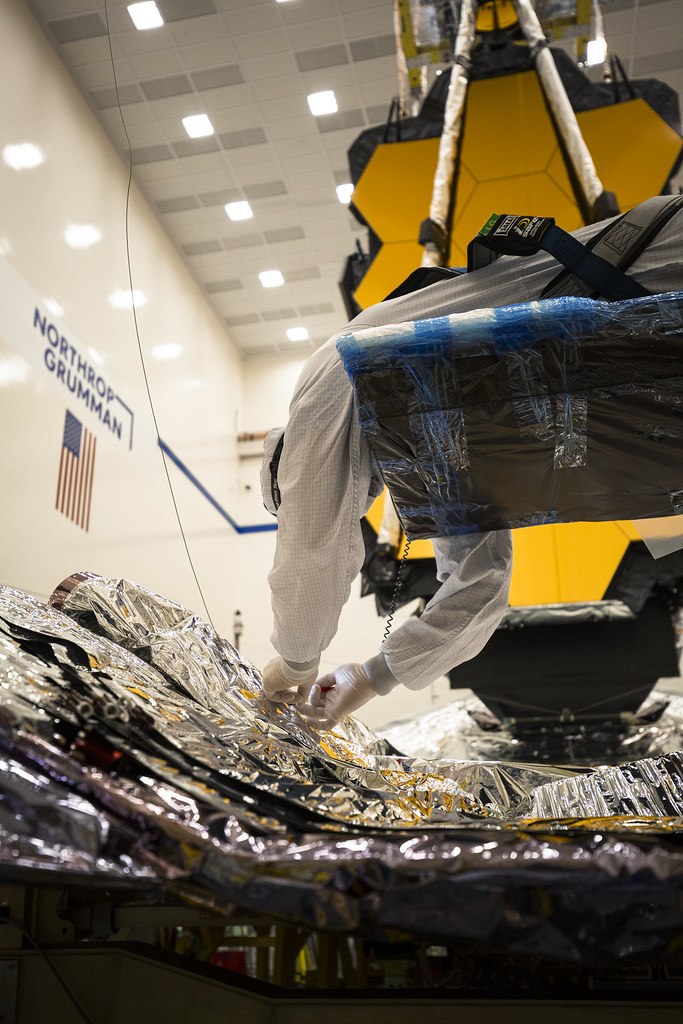
By James Webb Space Telescope via Openverse