
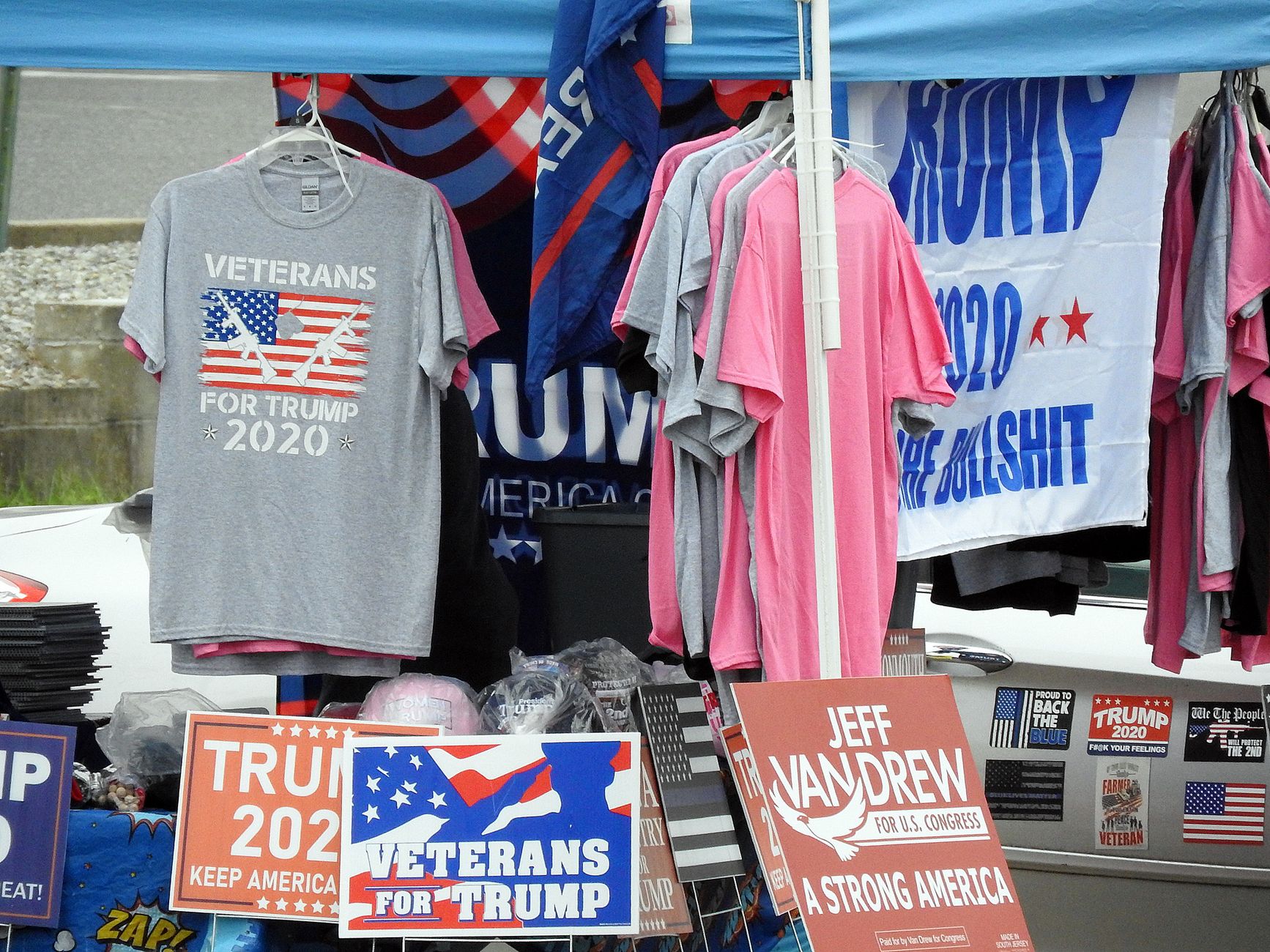
Trump TV launch is making headlines as the media landscape shifts dramatically. The White House’s new initiative aims to challenge mainstream outlets amid rising tensions.
What is Trump TV?
The recent announcement of the Trump TV launch has stirred significant conversation in media circles. This new platform aims to provide an alternative perspective to mainstream news outlets, particularly in light of ongoing tensions with networks like CNN, MS NOW, and Politico.
Trump TV is envisioned as a direct response to what its founders describe as biased reporting from traditional media. The initiative plans to feature a variety of programming that aligns with conservative values, focusing on the following:
- News Coverage: Providing updates and analysis that resonate with a right-leaning audience.
- Political Commentary: Hosting discussions with prominent conservative figures and influencers.
- Entertainment: Offering engaging content that appeals to supporters, including interviews and opinion pieces.
By launching Trump TV, former President Donald Trump aims to capitalize on a gap in the media landscape, catering to those who feel marginalized by existing news sources. This move is seen not only as a business venture but also as a strategic maneuver in the ongoing media warfare, positioning Trump as a continued force in political discourse.
The Impact of Media Bans
The recent launch of Trump TV marks a significant shift in the media landscape, particularly in light of ongoing media bans affecting conservative voices. As traditional outlets like CNN, MS NOW, and Politico impose restrictions, the emergence of Trump TV aims to provide an alternative platform for news and commentary.
The impact of these media bans has been profound, leading to several key consequences:
- Increased Polarization: With mainstream media sidelining conservative perspectives, audiences may become more entrenched in their views, seeking out platforms that align with their beliefs.
- Rise of Alternative Media: The launch of Trump TV is just one example of how figures in the conservative movement are capitalizing on these bans to create new channels that resonate with their supporters.
- Shift in Audience Engagement: Viewers are increasingly turning to online platforms where they can engage with content that reflects their viewpoints, leading to potential shifts in advertising and sponsorship models.
As Trump TV seeks to fill the void left by traditional media, it underscores a larger trend of media fragmentation and the necessity for diverse viewpoints in a democratic society. The implications of this shift are yet to be fully realized, but the potential for Trump TV to influence public opinion is significant.
Public Reaction to Trump TV
The public reaction to the recent Trump TV launch has been mixed, reflecting the polarized political landscape in which it has emerged. Supporters of the former president have expressed enthusiasm, seeing the platform as a necessary counter to what they perceive as biased mainstream media. Many believe that Trump TV will provide a voice for conservative viewpoints that are often overlooked or misrepresented by outlets like CNN and Politico.
On social media, pro-Trump users have taken to platforms like Twitter and Facebook to express their support, with many sharing their anticipation for the channel’s debut. Comments such as “Finally, a platform that speaks the truth!” and “This is what we need to combat fake news!” have become common.
Conversely, critics have voiced skepticism about the initiative, arguing that it may deepen divisions in an already polarized society. Some worry that Trump TV could further entrench echo chambers, where viewers only consume information that aligns with their beliefs. A notable backlash has emerged, with detractors labeling the launch as an attempt to create a “propaganda machine.”
As the media landscape continues to evolve, it remains to be seen how Trump TV will influence public discourse and whether it can garner a broad audience beyond its core supporters.
Analyzing the Media Landscape
The media landscape in the United States has undergone significant changes in recent years, with traditional outlets facing fierce competition from new platforms. The launch of Trump TV marks a pivotal moment in this evolving scenario, as it aims to cater to a specific audience disillusioned with mainstream media. The emergence of alternative channels reflects a growing trend where viewers seek content that aligns with their political beliefs.
Several factors contribute to this shift:
- Polarization: The country is increasingly divided along ideological lines, leading to a demand for media that resonates with specific viewpoints.
- Digital Expansion: The rise of social media and streaming platforms has changed how people consume news, allowing for tailored content delivery.
- Trust Issues: Many Americans express skepticism towards established news organizations, prompting the search for new sources, as seen with the Trump TV launch.
Additionally, the competition between platforms has intensified, with networks striving to capture viewer loyalty. This dynamic environment presents both opportunities and challenges for Trump TV, as it seeks to carve out its niche in a crowded market.
Future of Political Broadcasting
The future of political broadcasting is poised for a significant shift with the anticipated Trump TV launch. As traditional media outlets face increasing scrutiny and bans from major platforms like CNN, MS NOW, and Politico, alternative channels for political discourse are becoming essential. This new media venture aims to provide a platform where conservative voices can thrive without the constraints imposed by mainstream media.
One of the key advantages of the Trump TV launch is its potential to connect directly with an audience that feels sidelined by conventional news sources. By embracing digital streaming and social media, Trump TV can engage viewers in real-time discussions, bypassing the filters that often skew narratives in traditional journalism.
Moreover, the rise of personalized media consumption means that viewers are increasingly seeking content that aligns with their beliefs. As a result, Trump TV could become a crucial player in shaping political narratives, offering tailored programming that resonates with a broad conservative base.
However, the success of Trump TV will depend on its ability to maintain credibility and attract a diverse range of contributors. If it can navigate these challenges effectively, the platform may well redefine what political broadcasting looks like in the years to come.
The Trump TV launch marks a significant step in the ongoing media warfare that has become a hallmark of modern politics. Analysts suggest that the Trump TV launch could reshape the landscape of conservative media and mobilize support among his base.
Photo by Allen Beilschmidt sr. on Pexels